How To Create A Simple And Impactful Restaurant Website

How To Create A Simple And Impactful Restaurant Website

Imagine you’re on holiday, eager to explore local dining options. You find a restaurant that looks promising, but when you try to check out their menu and get a sense of the vibe, you’re disappointed to find they don’t have a website. Or worse, they have a poorly designed site with no menu and an outdated Facebook page untouched since 2020. Frustrating, right? Then, you come across another restaurant with a sleek, professional website showcasing their menu, ambiance, and everything you need to know. Which one would you choose?

This example underscores the crucial role a good website plays. It doesn’t need to be an elaborate, complex creation; just a few key elements can make all the difference. We’ll explore those essential elements right here.

The Ingredients of a Great Restaurant Website

When it comes to designing a website for your restaurant, simplicity is often the key to success. While it’s tempting to cram as much information as possible onto your site, a cluttered layout can overwhelm visitors and detract from the overall experience. Instead, focus on creating a clean and intuitive design that highlights your restaurant’s unique offerings.

1. Stunning Visuals

One of the most important elements of any restaurant website is high-quality imagery. Beautiful photos of your dishes, cocktails, and ambiance can entice visitors and make their mouths water before they even step foot in your establishment. Work with a skilled photographer to capture the essence of your restaurant and showcase your culinary creations in the best possible light.

2. Concise, Compelling Content

While images are undoubtedly essential, don’t underestimate the power of words. Craft concise yet compelling copy that tells the story of your restaurant. Highlight your culinary philosophy, unique dishes, and any special events or promotions you offer. Remember to keep your language consistent with your brand voice and tone, whether it’s casual and playful or refined and elegant.

3. Easy Navigation

A user-friendly navigation menu is crucial for ensuring that visitors can find the information they need quickly and easily. Consider creating a simple, one-page website that includes sections for your menu, location, hours of operation, and contact information. Don’t forget to include links to your social media profiles and online reservations platform to further streamline the user experience.

4. Seamless Integration

There is nothing more frustrating than opening a website on your mobile only to see that it is not optimized for smaller screens. Make sure your website looks good on mobile devices and integrates with popular platforms like OpenTable or Resy for online reservations. You can also provide links to third-party delivery services like DoorDash or Uber Eats for customers who prefer to enjoy your cuisine from the comfort of their own homes.

5. Accessible Menu

Your menu is the star of the show, so make sure it’s front and center on your website. Provide a digital version of your menu that is easy to read and navigate, with clear descriptions of each dish and pricing information. Consider including high-resolution images of your signature dishes to tempt visitors and give them a taste of what to expect when they dine with you.

The Benefits of Having a Restaurant Website

1. Increased Visibility

A well-designed website can help you attract new customers and increase visibility for your restaurant. By optimizing your site for search engines and promoting it through social media channels, you can ensure that hungry diners can easily find you online.

2. Improved Customer Experience

A user-friendly website makes it easy for customers to learn more about your restaurant, browse your menu, and make reservations. By providing essential information upfront, you can streamline the dining experience and make it more enjoyable for your guests. Plus, offering online reservations and ordering options can save time for both your staff and your customers (think of all the phone calls they don’t have to take during their shift)

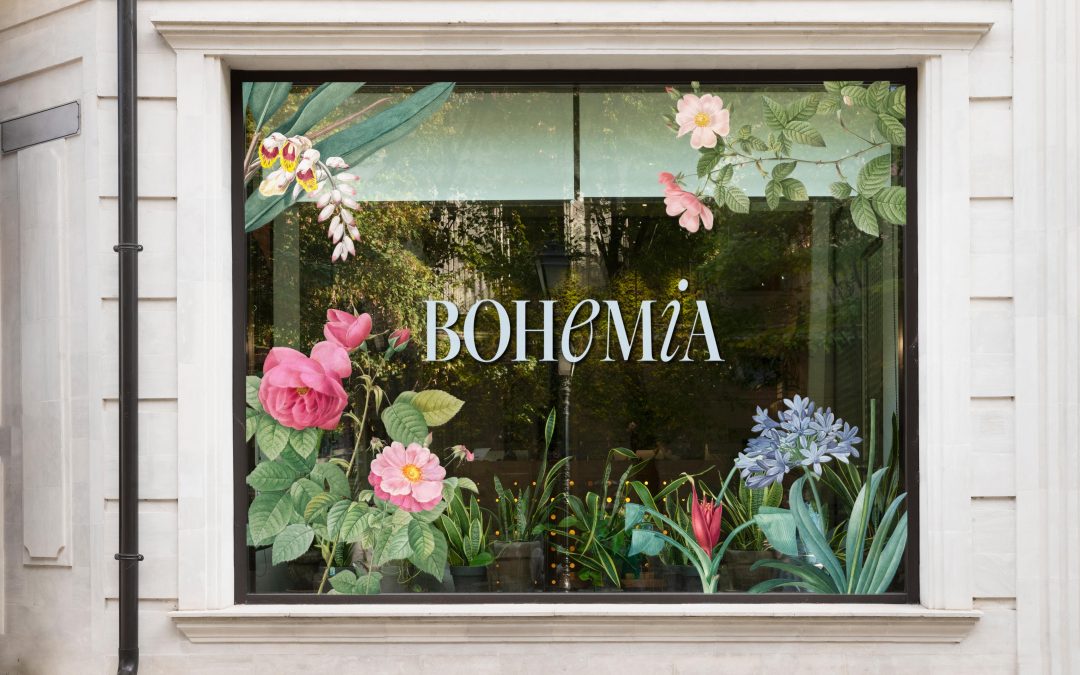
Green and white "bohemia" sign affixed above a shop entrance with an open window below displaying a reflective logo.

3. Enhanced Branding

Your website serves as a digital extension of your brand, allowing you to showcase your restaurant’s unique personality and style. By incorporating elements like your logo, color scheme, and brand messaging, you can create a cohesive brand identity that resonates with your target audience. This, in turn, can help you build brand loyalty and encourage repeat business.

4. Cost-Effective Marketing

Compared to traditional advertising methods like print ads or direct mail campaigns, a website offers a cost-effective way to promote your restaurant to a broader audience. With tools like email marketing and social media advertising, you can reach potential customers directly and track the effectiveness of your marketing efforts in real-time.

5. Valuable Insights

Finally, a website provides valuable insights into your customers’ preferences and behaviors. By analyzing website traffic, engagement metrics, and online reviews, you can gain a better understanding of what resonates with your audience and make data-driven decisions to improve your offerings and enhance the overall dining experience.

_______________________

Creating a website for your restaurant is a worthwhile investment that can pay dividends in terms of increased visibility, improved customer experience, and enhanced branding. By focusing on simplicity, stunning visuals, and user-friendly design, you can create a digital storefront that entices hungry diners and keeps them coming back for more. So don’t be scared to take the plunge – with the right ingredients and a skilled designer by your side, you can create a website that showcases your restaurant in the best possible light.
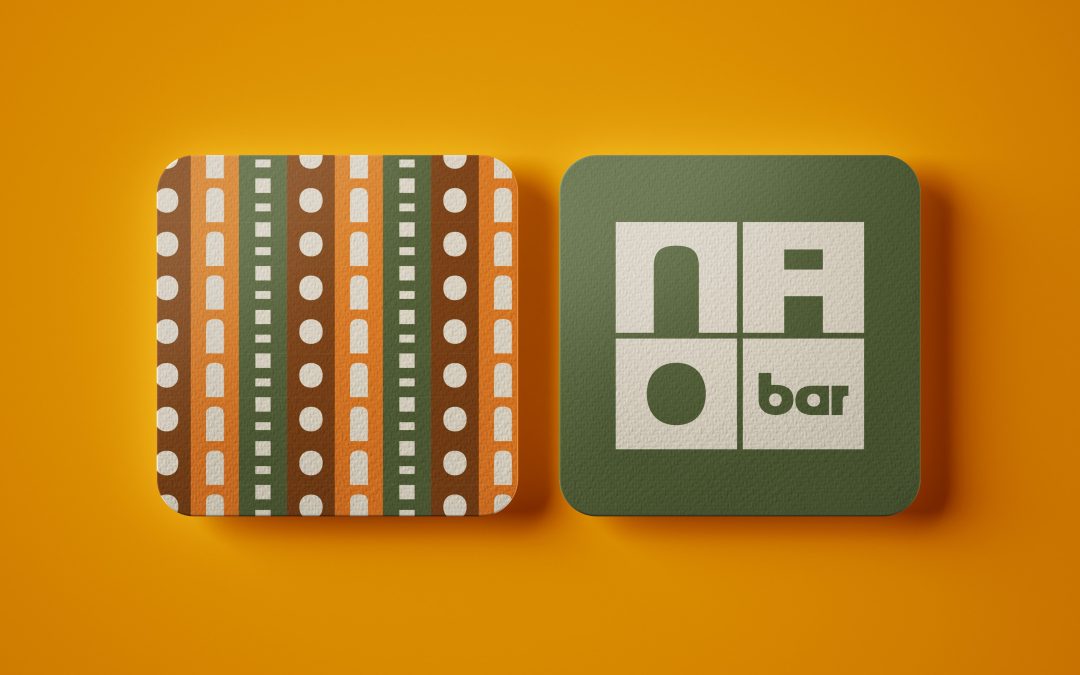
All The Ingredients Of the Successful Bar Opening

All The Ingredients Of the Successful Bar Opening

Just like crafting a cocktail, launching a bar requires a delicate balance of ingredients, meticulous planning, and a splash of creativity. From designing the ambiance to curating the menu, every detail plays a crucial role in shaping the ultimate experience for patrons. Join me on a journey of mixing the perfect concoction for a seamless bar launch, blending strategy, design, and innovation to create an unforgettable event.


The Base

Strategic Planning

Every successful venture begins with a solid foundation, and launching a bar is no exception. Before even picking up a shaker, thorough strategic planning is essential. This involves identifying the target audience, understanding market trends, and establishing the bar’s unique selling proposition. Just like the base spirit in a cocktail, these elements provide the backbone of the entire operation, setting the tone for everything to come.

The Spirits

Brand Identity and Design

Much like selecting premium spirits for a signature cocktail, crafting a compelling brand identity is paramount for a bar’s success. From the logo to the interior decor, every aspect should reflect the establishment’s personality and values. A cohesive design scheme not only enhances the visual appeal but also communicates the desired ambiance to your guests. Whether it’s a sleek and modern aesthetic or a cozy, vintage vibe, the visual elements should harmonize to create a memorable experience.

The Mixers

Marketing and Promotion

Just as mixers add depth and flavor to a cocktail, effective marketing strategies are essential for generating buzz around the bar launch. Utilizing social media, influencer partnerships, and targeted advertising can help spread the word and attract a diverse clientele. Additionally, hosting teaser events or offering exclusive previews can pique curiosity and build anticipation leading up to the grand opening. Like the perfect blend of mixers, strategic promotion ensures that the bar launch reaches its intended audience and leaves a lasting impression.

legs of a man wearing black trousers and boots holding white tote bag with logo of a bar called NAO, the letters of a logo are modern and square and colors are olive green, yellow, orange and brown

The Garnish

Attention to Detail

In the world of cocktails, the garnish serves as the finishing touch, elevating the presentation and adding a final flourish of flavor. Similarly, attention to detail is key when launching a bar, from the smallest decorative accents to the quality of service. Ensuring that every aspect aligns with the brand’s image and exceeds customer expectations can transform a mundane experience into something truly exceptional. Whether it’s personalized touches for VIP guests or thoughtfully curated playlists, the devil is in the details when it comes to leaving a lasting impression.

The Shake

Execution and Coordination

Just as a skilled bartender executes a flawless shake to blend the ingredients seamlessly, impeccable execution is critical for a successful bar launch. This requires coordination among your staff, suppliers, and event planners. From training the team to managing logistics, every element must come together in perfect harmony to ensure a smooth and memorable experience for guests. Like the rhythmic shake of a cocktail shaker, precise execution sets the stage for success and lays the groundwork for future prosperity.

(direct upload)
A collection of cocktails in stemmed glasses with ice, set on a bar with a sign reading "nao bar" in the foreground.

The Pour

Opening Night Extravaganza

Finally, the moment arrives to unveil the culmination of months of hard work and planning: the grand opening night. This is the opportunity to dazzle guests with impeccable service, tantalizing cocktails, and a vibrant atmosphere. From red carpet arrivals to live entertainment, every detail should reflect the bar’s unique identity and leave a lasting impression on patrons. Like the ceremonial pour of a perfectly crafted cocktail, the opening night extravaganza sets the tone for the bar’s future success and cements its place in the local nightlife scene.

_________________

Launching a bar is akin to mixing the perfect cocktail, requiring a delicate balance of ingredients, creativity, and precision. From strategic planning to flawless execution, every element plays a crucial role in shaping the ultimate experience for your guests. By blending brand identity, design, marketing, and impeccable service, a successful bar launch can create a long lasting legacy.

How To Use The Power of Social Media In The Hospitality Business

How To Use The Power of Social Media In The Hospitality Business

In today’s digital age, social media has become an indispensable tool for businesses across various industries, including hospitality. With platforms like Instagram, TikTok, Facebook, LinkedIn, Pinterest, and more at our disposal, leveraging the power of social media can significantly boost visibility, engagement, and ultimately, revenue for hospitality businesses.

However, simply having a presence on these platforms is not enough. It requires strategic planning, understanding your audience, and consistent branding to make the most out of social media. In this blog post, we’ll explore actionable tips and examples to help hospitality businesses harness the full potential of social media.

Know Your Audience

Before diving into social media marketing, it’s crucial to understand your target audience. Different demographics prefer different platforms, and knowing your audience can help you tailor your content and choose the right platform for maximum impact. For instance, if your target demographic consists of millennials and Gen Z, platforms like Instagram and TikTok would be ideal due to their popularity among younger audiences. On the other hand, if your target audience is professionals or corporate clients, platforms like LinkedIn may be more suitable.

Creating Engaging Content

Once you’ve identified your target audience and chosen the appropriate platforms, the next step is to create engaging content that resonates with your audience. In the hospitality industry, visual content is king, as it allows you to showcase your venue, food, amenities, and overall experience. High-quality photos and videos can captivate your audience and entice them to visit your establishment. Share behind-the-scenes glimpses, customer testimonials, special promotions, and user-generated content to keep your audience engaged and interested.

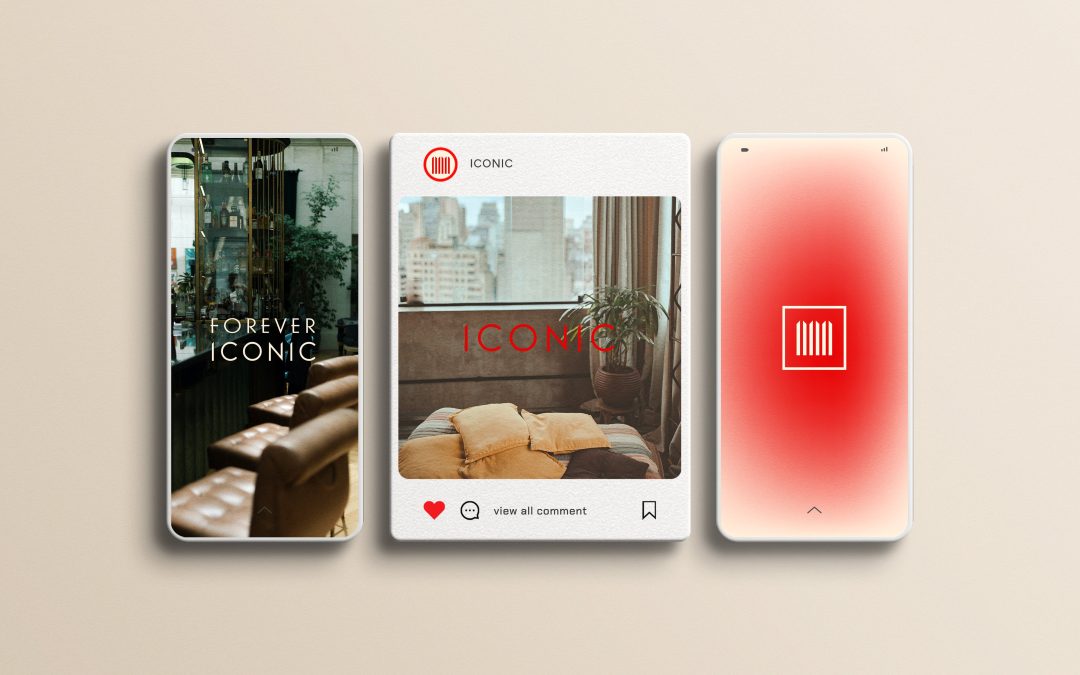
Three smartphones lying on a neutral surface displaying various designs for a social media interface, focused on visual content and user interaction.

Consistent Branding

Consistency is key when it comes to branding on social media. Your profile should reflect your brand’s identity, values, and aesthetic across all platforms. Use consistent colors, fonts, and imagery to create a cohesive look and feel that reinforces your brand identity. Whether it’s your logo, tagline, or brand voice, make sure it remains consistent across all your social media channels. This helps in building brand recognition and trust among your audience.

Platform-Specific Strategies

Each social media platform has its own unique features and audience preferences. Tailoring your content and strategies to fit the specific platform can yield better results. Here’s how you can leverage some of the most popular platforms in the hospitality industry:

Instagram: Use visually appealing photos and videos to showcase your venue, menu items, events, and promotions. Utilize Instagram Stories, Reels, and IGTV to engage with your audience in creative ways.

TikTok: Get creative and showcase your hospitality business through short, engaging videos. Share behind-the-scenes footage, customer interactions, or create viral challenges related to your business.

Facebook: Create a Facebook Page for your business and share updates, promotions, events, and customer reviews. Utilize Facebook Ads to reach a wider audience and target specific demographics.

LinkedIn: Connect with professionals in the hospitality industry, share industry insights, job opportunities, and highlight your business’s achievements and expertise.

Pinterest: Create boards featuring your venue, décor ideas, recipes, and travel inspiration to attract users searching for visual inspiration. Use rich pins to provide additional information and drive traffic to your website.

A collection of six square cards with a sleek design, each featuring a unique graphic related to nightlife and entertainment, displayed on a green background.

Utilizing User-Generated Content

User-generated content (UGC) is a powerful tool for hospitality businesses as it provides authentic, real-life experiences shared by your customers. Encourage guests to share their experiences on social media using branded hashtags or by tagging your business. Reposting UGC not only strengthens your relationship with existing customers but also serves as social proof for potential customers, showcasing the positive experiences others have had at your establishment.

Measuring Success and Adjusting Strategies

Monitoring key metrics such as engagement, reach, and conversions is essential to gauge the success of your social media efforts. Use analytics tools provided by each platform to track your performance and identify which strategies are yielding the best results. Based on the data, refine your content and strategies to optimize performance and achieve your business goals.

________________

Social media offers hospitality businesses a powerful platform to connect with their audience, showcase their offerings, and drive engagement and bookings. By understanding your audience, creating engaging content, maintaining consistent branding, and leveraging platform-specific strategies, you can effectively harness the power of social media to elevate your hospitality business to new heights. Remember, it’s not just about being present on social media; it’s about creating meaningful connections and memorable experiences that resonate with your audience.

How To Stand Out In The Hospitality Industry

How To Stand Out In The Hospitality Industry

In the fast-paced and competitive landscape of the hospitality industry, one quote rings truer than ever: “In order to be irreplaceable, one must always be different.” This timeless wisdom,  by Coco Chanel, encapsulates the essence of what it takes to thrive in an industry where standing out is not just desirable but essential for success.

Hospitality is more than just providing a bed to sleep in or a meal to savor; it’s about creating memorable experiences that linger in the hearts and minds of guests long after they’ve departed. To achieve this level of distinction, establishments must embrace their uniqueness and differentiate themselves in a sea of competitors. Here’s how:

1. Define Your Unique Selling Proposition (USP):

Every successful hospitality venture begins with a clear understanding of what sets it apart from the rest. Your Unique Selling Proposition (USP) is the distinctive feature or combination of attributes that make your establishment irresistible to guests. It could be anything from breathtaking panoramic views, eco-friendly practices, personalized service, or a signature dish crafted by a renowned chef.

Take, for example, the Giraffe Manor in Nairobi, Kenya. This boutique hotel offers guests the unparalleled experience of dining with endangered Rothschild giraffes, who freely roam the grounds and often poke their heads through windows during breakfast. This unique interaction with wildlife has become the hallmark of Giraffe Manor, attracting travelers from around the world eager to experience something truly extraordinary.

2. Personalization is Key:

To be successful, hospitality businesses must go above and beyond to tailor experiences to the individual preferences and needs of their guests. From remembering a guest’s favorite drink to curating bespoke itineraries, personalization fosters a sense of connection and loyalty that is unrivaled.

Consider the approach of luxury hotel chains like Four Seasons and Ritz-Carlton, which are renowned for their exemplary service and attention to detail. Their staff are taught to anticipate guests’ needs and preferences, ensuring that every stay is not just comfortable but unforgettable. Whether it’s arranging a surprise anniversary celebration or accommodating dietary restrictions, personalized service is the cornerstone of their success.

A green sign with white text that reads "NAO Bar" is mounted on a marble wall.

3. Harness the Power of Innovation:

Innovation is the lifeblood of any industry, and hospitality is no exception. Embracing new technologies, trends, and practices can give establishments a competitive edge and captivate guests with fresh and exciting experiences.

Take, for instance, the emergence of “smart hotels” that leverage cutting-edge technologies such as artificial intelligence, and biometrics to enhance guest convenience and comfort. From keyless entry systems to personalized room controls and virtual concierge services, these innovations redefine the guest experience and set forward-thinking establishments apart from the pack.

4. Cultivate Authenticity:

In a world saturated with cookie-cutter hotels and chain restaurants, authenticity is a rare and precious commodity. Guests crave genuine experiences that reflect the culture, heritage, and values of the destinations they visit. By embracing authenticity, hospitality businesses can forge deep emotional connections with guests and leave a lasting impression.

Consider the success of boutique hotels like The Hoxton, which celebrate the unique character and charm of their neighborhoods. From locally sourced artwork and furnishings to curated events that showcase the best of the community, The Hoxton embodies the spirit of authenticity in everything it does. By immersing guests in the local culture and embracing the quirks and idiosyncrasies of each location, they create experiences that are as genuine as they are unforgettable.

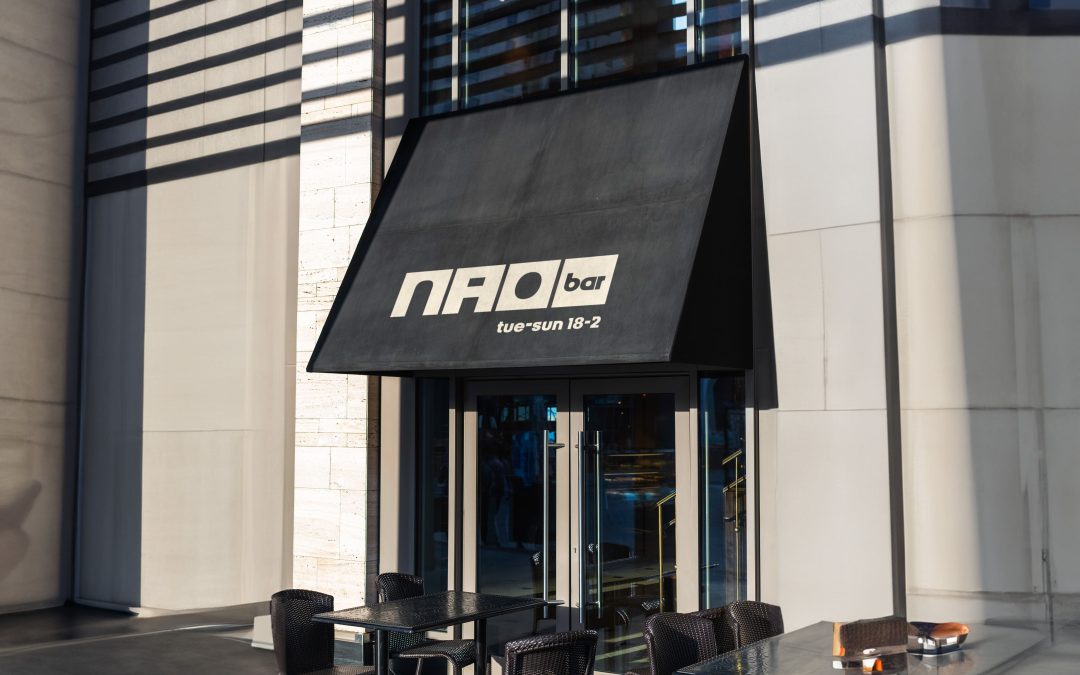
The image shows a black awning over a door to a business. The awning has the word "NAO" and written on it. There are glass windows on either side of the door. There are tables and chairs outside the door.

5. Stay Ahead of the Curve:

In a constantly evolving industry, staying stagnant is not an option. Hospitality businesses must continuously innovate and adapt to changing consumer preferences, market trends, and technological advancements to remain relevant and competitive. Some of examples are experiential travel, wellness tourism, and sustainable practices, which have reshaped the hospitality landscape in recent years. From offering immersive cooking classes and wellness retreats to implementing eco-friendly initiatives like solar power and waste reduction programs, forward-thinking establishments are redefining the guest experience and setting new standards for excellence.

__________________

Standing out in the hospitality industry requires more than just providing excellent service; it demands a commitment to embracing uniqueness, personalization, innovation, authenticity, and adaptability. By defining your Unique Selling Proposition, personalizing the guest experience, harnessing the power of innovation, cultivating authenticity, and staying ahead of the curve, you can not only differentiate your establishment but also create unforgettable experiences that keep guests coming back for more. 

Innovative Merchandising Strategies for Restaurants to Increase Profits

Innovative Merchandising Strategies for Restaurants to Increase Profits

Restaurant merchandise is like the secret sauce that can take your business to the next level. It’s not just about slapping your logo on a t-shirt; it’s about creating a whole new revenue stream while keeping your customers engaged and excited. In this blog post, we’re diving into the world of restaurant merchandising – what it is, why you absolutely need it, some killer ideas to get you inspired, and the best ways to get those goodies into the hands of your hungry fans.

Understanding the Significance of Merchandise in Restaurants

Picture this: your loyal customers proudly sporting your branded gear, sipping coffee from your custom mugs, or cooking up a storm with your signature sauces. That’s the magic of restaurant merchandise – it’s a way to extend your brand beyond the walls of your establishment and into the daily lives of your fans.

Selling restaurant merchandise isn’t just about making a fast buck (even though that’s a sweet bonus). It’s more about fostering a sense of community around your brand, generating excitement, and transforming occasional diners into die-hard fans. And hey, who doesn’t enjoy some free promotion when your customers sport your swag out in the wild? It’s like having walking billboards spreading the love for your eatery!

Ready for Some Merchandising Magic?

Now, let’s get to the fun part – brainstorming some killer restaurant merchandising ideas that will have your customers lining up to get their hands on your goodies:

1. Swag-tastic Apparel: Don’t just stick to the plain old t-shirts. Get creative and design some cool hoodies, caps, or even quirky socks that totally match the vibe of your restaurant. Let your style shine through with these trendy clothing options!

2. Let’s talk about giving your home dining experience an upgrade! Why not add some flair to your meals by using fancy branded glassware, mugs, or plates that bring a touch of the charm from your favorite restaurant right to your dining table? It’s like bringing a little piece of that special dining-out feeling home with you every time you sit down for a meal.

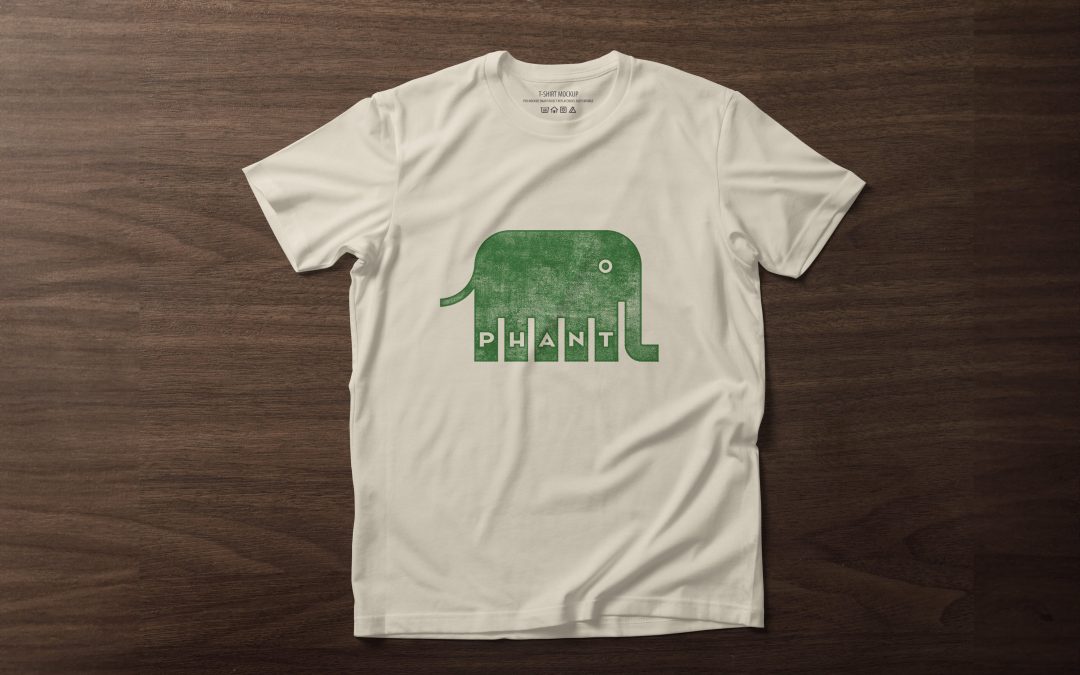
A white t-shirt mockup with a green elephant design on the front. The shirt is laying flat on a wooden table.

3. Tasty Goodies On-the-Go: How about whipping up some of your signature sauces, special spice blends, or delicious baked treats that customers can easily take home to recreate the magic of your menu in their own kitchens? It’s a fun way to keep your flavors lingering in their minds long after they’ve left your establishment!

4. Spread some love by sharing those top-secret recipes of yours with custom cookbooks or recipe cards. Imagine your customers getting all excited to recreate your famous dishes in their own kitchens – it’s like bringing a piece of your restaurant into their homes!

Package up your merchandise into themed gift sets that are overflowing with goodies! These sets are not just perfect for gifting to others but also for treating yourself to a little something special.

Getting Your Merchandise Out There

You’ve got the ideas brewing, now it’s time to serve them up to your customers:

1. How about creating an in-house pop-up shop? Picture this: a mini-store right in your restaurant where customers can chill and shop till they drop while waiting for their table. It’s like a win-win situation – they get to browse cool stuff, and you get to keep them happy and entertained.

2. Launching an online store can help you connect with a larger audience, making it super convenient for fans from near and far to grab your awesome merch without breaking a sweat. It’s like bringing the magic of your restaurant right to their fingertips!

3. Get out there and hit the streets: Show off your awesome products at local markets, food festivals, or events to get your brand in front of a whole new bunch of people.

4. Social Media Showdown: Make the most of your online presence by flaunting your goods, running exciting promotions, and keeping all your followers in the loop about all the rad stuff you’ve got up for grabs.

Restaurant merchandising can be a total game-changer for your business, no doubt about it! It’s a great way to really connect with your customers on a deeper level, beef up your bottom line, and spread the love for your brand all over the place.