5 Top Hotel Owners Share Their Expert Advice For Success

5 Top Hotel Owners Share Their Expert Advice For Success

In this blog post, we’re going to explore insights from successful hotel owners. Their advice will benefit you whether you’re just starting out or have been in the industry for years. Let’s dive into the experiences and advice from these industry pros.

“Create an Unforgettable Experience” – Ian Schrager, Co-founder of Studio 54 and Founder of EDITION Hotels

Renowned for his groundbreaking approach to luxury hospitality, Ian Schrager stresses the significance of crafting unforgettable experiences for guests. According to Schrager, “In the hotel business, you’ve got to make the guest feel at home. You’ve got to make your guests feel welcome and wanted.” This highlights how personalized service and meticulous attention to detail can transform a stay into a lasting memory.

“Prioritize Staff Wellbeing” – Bill Marriott, Executive Chairman of Marriott International

Bill Marriott, a stalwart inthe hotel industry, strongly believes in looking after hotel staff. He says, “Take good care of your employees, and they’ll take good care of your customers.” This advice shows how important it is to keep employees happy for a great guest experience. Happy and motivated staff are more likely to provide excellent service, creating a positive vibe throughout the hotel.

“Embrace Innovation” – Arne Sorenson, Former President and CEO of Marriott International

The late Arne Sorenson, a visionary leader, believed strongly in the power of innovation. He famously said, “Innovate or die.” His words show how fast-paced the hospitality industry is and how important it is to stay ahead. Embracing new technology, adopting sustainable practices, and keeping up with changing customer preferences are key to running a successful hotel.

“Community Engagement Matters” – Chip Conley, Founder of Joie de Vivre Hotels and Head of Global Hospitality at Airbnb

Chip Conley emphasizes the importance of connecting with the local community. He says, “The more you engage with the local community, the more people will come and support you.” Building strong relationships with the community boosts a hotel’s reputation and makes guests feel more at home. Working with local partners, hosting events, and promoting cultural activities all add to a vibrant and inviting guest experience.

“Consistency is Key” – Ritz-Carlton Credo

The Ritz-Carlton Credo, though not linked to one person, highlights a key principle in luxury hospitality: consistency. It states, “The Ritz-Carlton Hotel is a place where the genuine care and comfort of our guests are our highest mission.” Keeping consistent service, quality, and attention to detail in every part of the hotel is crucial for building trust and loyalty among guests.

____________________

Whether it’s creating memorable experiences, prioritizing staff wellbeing, embracing innovation, engaging with the local community, or maintaining unwavering consistency, these principles serve as the cornerstone of successful hotels. By integrating these insights into your business strategies, you can elevate your establishment to unprecedented heights, ensuring enduring success in a competitive landscape.

Crafting a Profitable Menu: A Comprehensive Guide for Restaurant Success

Crafting a Profitable Menu: A Comprehensive Guide for Restaurant Success

In the competitive landscape of the restaurant industry, the design and presentation of your menu play a crucial role in attracting customers and driving revenue. A well-crafted menu goes beyond a mere list of dishes; it is a strategic tool that can captivate diners, enhance their dining experience, and boost your restaurant’s financial performance. Let’s delve into the key elements and practical tips for creating a menu that not only satisfies taste buds but also contributes significantly to your business success.

1. Visual Appeal: Setting the Stage

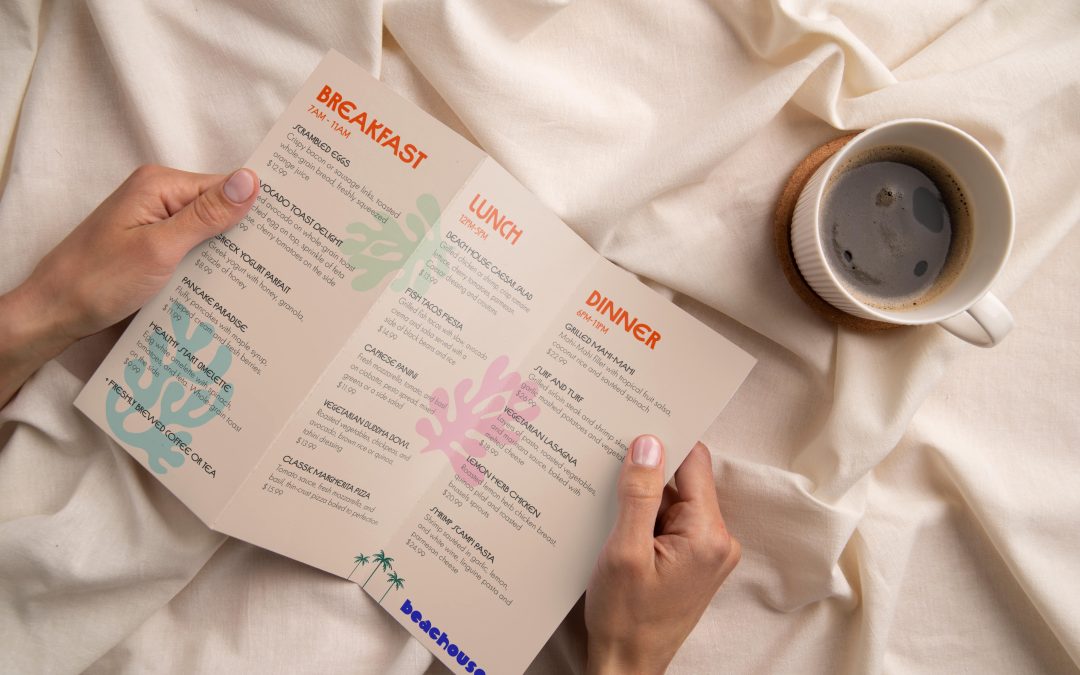
The visual presentation of your menu is the first impression diners have of your establishment. It sets the stage for their dining experience. Start by aligning the fonts and colors with your restaurant’s identity. Whether you are a cozy neighborhood spot or a chic, avant-garde establishment, the visual aesthetics should reflect your vibe. Consider this as an opportunity to showcase your brand identity and create a cohesive theme throughout the menu.

Practical Tip: Pay special attention to the design of the cover. It serves as the gateway to your culinary offerings. Make it inviting, visually appealing, and representative of the experience diners can expect.

2. Descriptive Clarity: Telling a Story through Words

While a well-designed menu visually attracts attention, the descriptions of your dishes provide the narrative that engages and entices diners. Keep descriptions clear, concise, and focused on the unique aspects of each dish. Avoid unnecessary embellishments or lengthy narratives. Instead, aim for descriptions that highlight the flavors, textures, and distinctive elements of the dish, creating a sense of anticipation.

Practical Tip: Think of each description as a snapshot that captures the essence of the dish. This clarity not only enhances the reading experience but also aids diners in making informed choices.

3. Strategic Placement: Maximizing Sales Opportunities

Strategic placement of items on your menu can significantly impact sales. Identify high-profit items and strategically position them to catch the eye of your patrons. Utilize techniques such as anchoring, bundling, and spotlighting to guide diners through the menu and encourage them to explore a variety of offerings. By strategically placing items, you can influence the choices diners make and increase overall sales.

Practical Tip: Incorporate visual cues, such as borders, highlights, or symbols, to draw attention to dishes you want to emphasize. This subtle manipulation can guide diners towards profitable choices.

4. Pricing Strategy: Finding the Sweet Spot

Pricing is a critical aspect of menu design, and it goes beyond mere numbers. Opt for rounded figures to create a perception of friendliness and avoid plain decimals for a more approachable atmosphere. Consider the strategic placement of high-profit items and explore the possibilities of offering value-driven bundles to enhance the perceived value of your dishes. Remember that pricing is not just about covering costs; it’s about creating a balance between profitability and customer satisfaction.

Practical Tip: Remove currency signs from your menu as they can evoke a sense of spending. Instead, present prices as numbers alone for a more relaxed atmosphere.

5. Dessert Excellence: The Grand Finale

As diners reach the end of their culinary journey, the dessert section becomes the grand finale of your menu. Treat desserts not only as a sweet ending but also as a profitable closing act. Use clear language, enticing visuals, and perhaps a touch of nostalgia to elevate your sweet offerings. A well-crafted dessert menu leaves diners with a lasting impression and a desire to return for more.

Practical Tip: Create signature dessert experiences that stand out. Whether it’s a unique presentation or a shared dessert platter, make the end of the meal unforgettable, encouraging repeat visits.

6. Seasonal Specials: Creating Buzz with Limited Editions

Introducing seasonal menus adds an element of excitement and exclusivity to your offerings. Treat these seasonal items like limited edition spells, creating a sense of urgency and anticipation among diners. Limited-time offerings not only generate buzz but also encourage repeat visits from patrons eager to savor these ephemeral delights. Utilize seasonal ingredients not only for their freshness but also as a storytelling element, sharing narratives about the seasonal harvest or the cultural significance of certain dishes during specific times of the year.

Practical Tip: Rotate seasonal menus regularly to keep the offerings fresh and encourage diners to return to experience the latest culinary creations.

7. The Importance of Regular Evaluation: Fine-Tuning for Success

Creating a successful menu is an ongoing process that requires regular evaluation and fine-tuning. Monitor the performance of individual dishes, analyze sales data, and gather feedback from customers. Use this information to make informed decisions about menu adjustments, additions, or removals. Stay adaptable and responsive to changing culinary trends and customer preferences to ensure your menu remains relevant and appealing.

Practical Tip: Consider conducting periodic surveys or seeking direct feedback from diners to understand their preferences and gather insights that can inform menu adjustments.

8. The Power of Collaboration: Involving Your Team

Menu creation should not be a solitary endeavor. Involve your kitchen staff and front-of-house team in the process. Seek input from chefs regarding the feasibility and appeal of new dishes. Front-of-house staff can provide valuable insights into customer preferences and feedback gathered during interactions. Collaborative efforts ensure that the menu reflects the strengths of your team and resonates with the tastes and expectations of your target audience.

Practical Tip: Conduct regular team meetings to discuss menu ideas, gather feedback, and foster a sense of ownership and pride among your staff.

9. Embracing Technology: Enhancing Accessibility and Engagement

In the digital age, leveraging technology can enhance the accessibility and engagement of your menu. Consider developing a user-friendly and visually appealing online menu that customers can access through your website or mobile apps. Incorporate high-quality images, detailed descriptions, and even interactive features to make the online menu an extension of the dining experience. Embracing technology not only caters to modern consumer preferences but also provides opportunities for upselling and showcasing specials.

Practical Tip: Regularly update your online menu to reflect any changes in offerings, prices, or seasonal specials. Utilize social media platforms to share visually appealing images and promote featured dishes.

10. Sustainability and Ethical Considerations: Meeting Modern Expectations

With growing awareness of sustainability and ethical practices, incorporating these considerations into your menu can resonate positively with customers. Highlight environmentally conscious sourcing of ingredients, mention local partnerships, and emphasize any sustainable practices your restaurant adopts. This not only aligns with modern consumer values but also positions your establishment as socially responsible, potentially attracting a broader and more conscious customer base.

Practical Tip: Clearly communicate your commitment to sustainability on the menu, showcasing efforts such as using organic ingredients, reducing food waste, or supporting local farmers and producers.

11. Training Your Staff: Ensuring Consistency and Knowledge

Once your menu is crafted, it’s crucial to ensure that your staff is well-versed in its contents. Provide comprehensive training to both kitchen and front-of-house staff to ensure consistency in dish preparation, presentation, and customer interaction. Staff members should be knowledgeable about the ingredients, preparation methods, and flavor profiles of each dish. This not only enhances the overall dining experience but also instills confidence in diners, encouraging them to explore a variety of offerings.

Practical Tip: Conduct regular training sessions, including tastings and menu quizzes, to keep your staff informed and enthusiastic about the menu.

___________________________

The art of crafting a profitable menu goes beyond mere aesthetics; it involves strategic thinking, understanding consumer psychology, and adapting to the evolving expectations of the dining industry. By focusing on visual appeal, engaging descriptions, strategic placement, pricing strategy, dessert excellence, seasonal specials, beverage strategy, sustainable practices, interactive elements, and continuous improvement, you can create a menu that not only delights your diners but also contributes significantly to the success and profitability of your restaurant.

How To Attract Loyal Clientele For Your Venue

How To Attract Loyal Clientele For Your Venue

Building a hospitality empire isn’t solely about delivering outstanding services or luxurious amenities; it’s about crafting a narrative that resonates deeply with the hearts of your loyal clients. Let’s delve into how to connect with your ideal customers – those who’ll eagerly stand by your side.

Navigating Your Unique Essence

Every remarkable journey begins with self-discovery. Before you can attract your ideal clinets, you must understand your essence. What defines your establishment? Are you an urban retreat, a bohemian sanctuary, or a rustic refuge for the weary traveler? Dive into the core of your brand, unveil the distinctive flavor that sets you apart in the expansive hospitality landscape.

Tip: It’s not just about the offerings; it’s about the emotions you evoke. Do you want your guests to experience a cozy family gathering or step into a cutting-edge cultural hub? Your identity is the guiding force leading your clients home.

Embracing Your Clientele’s Diversity

Now that you’ve hoisted your identity banner, it’s time to navigate your audience’s landscape. Who are they? What excites them, and what keeps them awake at night? Craft your client’s personas meticulously, detailing their preferences, quirks, and hidden desires. Understanding your audience on this level will be your strategic advantage.

Tip: Plunge into the online realm. Social media, forums, and reviews are your treasure troves. Your clients are already sharing their stories; it’s time to listen in.

Designing a Compelling Visual Language

Now that you’ve unraveled the mysteries of your clientele, it’s time to forge a visual language that beckons them to join your cause. Your branding materials are your banners, waving proudly and summoning your people to unite. Colors, fonts, and imagery should resonate with the souls of your audience, forging an immediate connection.

Tip: Don’t shy away from boldness and daring. Infuse the spirit of rebellion into your visuals.

Cultivating a Memorable Experience

It’s not just about the physical space; it’s about creating an experience that becomes a ritual for your clients. What are the unique touchpoints that will become part of their journey? Perhaps it’s the signature welcome gesture, the distinctive room amenities, or the personalized greetings. Construct these ritualistic moments with purpose, weaving a tapestry of memories into the fabric of your brand.

Tip: Encourage active participation. Let your clients be integral to the ritual, whether through leaving a mark on a guest wall or sharing stories at a communal table. The more engaged they are, the more invested they become.

Amplifying Your Call to the Community

Your rallying cry must resonate far and wide. Leverage digital signals – social media, email, and a compelling website. Speak the language of your clients in your messaging, weaving stories that will strike a chord. Don’t just broadcast; engage. Be present in the conversations, respond to the signals, and let your clients feel acknowledged.

Tip: Embrace authenticity. Your clients can discern authenticity from a distance. Be real, be genuine, and let your brand voice mirror the personality you’ve cultivated.

Cultivating Lasting Connections

Once you’ve summoned your loyal clients, the journey doesn’t conclude; it evolves. Nurture the flames of connection through post-stay communications, loyalty programs, and continuous engagement. Build a community that extends beyond the physical confines of your establishment. The loyalty of your clients will be your ultimate triumph.

Tip: Surprises are your secret weapon. Whether it’s a personalized thank-you note or unexpected perks, keep the element of surprise alive.

In essence, building a successful hospitality empire hinges on crafting a narrative that deeply resonates with your clientele. By understanding your unique identity, connecting with diverse audiences, designing a captivating visual language, creating memorable experiences, and fostering lasting connections, you can establish a loyal clientele that goes beyond the physical confines of your establishment. Authenticity, engagement, and surprises emerge as crucial elements in this ongoing battle for loyalty.

10 Non-Food Factors That Are Crucial For Restaurant’s Success

10 Non-Food Factors That Are Crucial For Restaurant’s Success

Ever wondered why some restaurants leave a lasting impression while others fade into culinary oblivion? Beyond the plate, there lies a world of factors that can either elevate or undermine your restaurant’s success. Let’s unveil the secrets beyond the kitchen – from the look and feel of your restaurant’s interior to the online landscape where your brand story unfolds. Because, in the realm of gastronomy, it’s not just about what’s on your plate; it’s about the holistic experience that keeps your clients coming back for more.

1. Ambiance & Atmosphere: Crafting Your Restaurant’s Visual Symphony

When it comes to restaurant branding, it’s not just about what’s on the plate but also about the stage you set. Picture this: a dimly lit room, soft jazz playing in the background, and a cozy, rustic interior that complements your farm-to-table concept. That’s the magic of ambiance. The interior design, lighting, and overall vibe should be a seamless extension of your brand story. It’s like creating a visual symphony that plays in harmony with your culinary masterpiece.

Imagine you’re a cozy neighborhood spot, and your restaurant logo design screams warmth and familiarity. Now, if your interior is cold and sterile, you’ve got a branding dissonance. Align those elements, and you’ll have a brand story that resonates long after the last bite.

2. Service Excellence: Turning Customers into Raving Fans

Now, let’s talk about the unsung heroes of the restaurant world – the servers, hosts, and kitchen wizards. Your restaurant’s success is not just about what’s plated; it’s about how it’s served. Service excellence is the secret sauce that turns first-timers into regulars. Ensure your staff embodies your brand story; they’re not just serving food; they’re serving an experience.

It’s like having a fantastic restaurant branding handshake. You wouldn’t want a limp, inconsistent shake, would you? No one likes a brand with a flimsy grip. Train your staff to be the ambassadors of your brand story, preventing those inconsistencies that can lead to negative associations. The secret to success? Consistency, a dash of personality, and a sprinkle of genuine care.

3. Cultural Alignment: Adding Spice to Your Brand Story

Picture your restaurant as a spice bazaar, and your customers as spice enthusiasts. To ensure your restaurant’s success, your brand story needs to align with the cultural values of your target market. It’s like adding just the right amount of spice to a dish – not too much, not too little.

If your restaurant branding is all about embracing diversity and celebrating cultural richness, make sure your offerings cater to the emotions and concerns of your audience. It’s about creating a personalized experience that resonates with the cultural taste buds of your customers. So, throw in that dash of cultural alignment and watch your brand story become a flavorful hit.

4. Inclusivity: The Secret Sauce of a Welcoming Haven

In the grand cookbook of restaurant success, inclusivity is the secret sauce that ties everything together. If your brand story embraces families, make sure your staff is well-versed in the art of making everyone feel at home, regardless of their composition.

Your restaurant should be a haven where diversity is celebrated, not just tolerated. Ensure that your staff is trained to embody inclusivity in every interaction. It’s not just about seating arrangements; it’s about creating an atmosphere where everyone feels welcome and valued. After all, a successful restaurant is one where every guest feels like they belong.

5. Attention to Detail: Small Touches, Big Impact

Alright, picture this: you’re at a restaurant, eagerly anticipating your meal. The table settings are impeccable, the cutlery gleams, and even the restroom is spotless. These seemingly small details are the unsung heroes of the dining experience.

In the world of restaurant branding, it’s the equivalent of perfecting the finishing touches on a masterpiece. Consistency in the little things, from the placement of napkins to the cleanliness of the restroom, contributes to the overall guest experience. It’s about creating a cohesive story where every detail aligns with the narrative you’re weaving. Remember, it’s not just about the big picture; it’s about the pixel-perfect details that make it memorable.

6. Technology Integration: Navigating the Digital Culinary Landscape

Welcome to the digital age, where restaurant success isn’t just about what happens within your four walls but also what unfolds in the vast online space. Your restaurant’s online presence, from the website to social media, should seamlessly align with your brand story. It’s like having a second kitchen where the aroma of your brand story wafts through every online interaction.

In a world where people Google before they gobble, having a consistent and engaging online presence is crucial. Your website should be an extension of your physical space, and your social media should be the window into your culinary world. It’s not just about showcasing your dishes; it’s about curating an online ambiance that mirrors the warmth and flavor of your restaurant. So, embrace technology, and let your brand story sizzle in the digital culinary landscape.

7. Community Engagement: Taking Your Brand Beyond the Walls

Your brand story should be a tale that extends beyond the walls of your restaurant. Community engagement is the secret ingredient that adds depth to your narrative. It’s like having a conversation with your neighbors over the proverbial backyard fence, only your fence is the shared love for good food.

Engage with the community to reinforce your brand story and build a loyal customer base. Sponsor local events, participate in fundraisers, or host themed nights that resonate with your brand. Your restaurant isn’t just a place to eat; it’s a part of the community fabric. So, let your brand story weave seamlessly into the community narrative, creating a bond that goes beyond the dining table.

8. Employee Training: The Recipe for Consistency

Your restaurant is only as strong as its team, and that’s where employee training becomes the secret sauce for success. Provide your team with a framework aligned with your brand story. It’s like giving them the recipe for creating a consistent and memorable experience for every guest.

Think of it as crafting a brand story handbook that empowers your team to make responsible decisions in diverse scenarios. When your employees understand and embody the values of your brand, it ensures a consistent guest experience. From the kitchen to the front of the house, everyone should be on the same page, creating a symphony that resonates with your brand story.

9. Environmental Responsibility: Sustaining Success with Sustainability

If your restaurant branding emphasizes sustainability, your business practices should walk the talk. It’s like having a restaurant logo design that screams eco-friendly and then using plastic straws. Your commitment to environmental responsibility should be as consistent as your signature dish.

From sourcing ingredients to waste management, ensure that your business practices align with eco-friendly values. It’s not just about appealing to the environmentally conscious market; it’s about living up to the promises you make in your brand story. Sustainability isn’t just a buzzword; it’s a way of ensuring your restaurant’s success is rooted in responsible practices that resonate with the values of your audience.

10. Consistent Evolution: The Art of Staying Relevant

In the ever-changing world of gastronomy, standing still is a recipe for disaster. Your brand story should be a living, breathing entity that evolves with the times. Regularly revisit your strategy to adapt to changing market trends and customer

In the intricate dance of restaurant success, every detail matters. From ambiance to community engagement, these non-food factors form the essence of a thriving establishment. As you traverse this culinary landscape, remember: it’s not just about what you serve but the story you weave. The recipe for sustained success lies in a holistic experience that adapts to changing tastes. These ten factors guarantee turning your restaurant into a haven that resonates well beyond the dining table.

How To Stand Out In A Hospitality Market: Essential Tips

How To Stand Out In A Hospitality Market: Essential Tips

Navigating the bustling hospitality market can feel like trying to stand out in the chaos of Times Square on a Saturday night. But you don’t need flashy gimmicks to make an impact. Instead, let’s explore some practical and effective branding strategies that can help your hotel or restaurant shine amidst the competition.

Starting with your logo—it’s not just a mere graphic; it’s the heartbeat of your brand. Opt for simplicity with a touch of charm, crafting a logo that is not only memorable but resonates with your audience. Think of it as a familiar face in a bustling crowd, something that stands out without being overbearing. For example, consider the timeless elegance of the Ritz-Carlton lion and crown or the playful yet sophisticated mermaid of Starbucks. These logos are instantly recognizable and convey the essence of their respective brands.

Tip: If you want to know all the qualities of a great logo, you can find them in my free Hospitality Branding Guide.

Consistency is key, but we’re not advocating for turning your place into a theme park. Strive for cohesion, from the lobby decor to the menu offerings, ensuring a harmonious guest experience without feeling like they’ve stepped into another dimension with each turn. For instance, a coastal-themed restaurant might feature nautical decor in the dining area, seaside colors in the branding materials, and seafood specialties on the menu, all creating a unified and immersive experience.

Tip: Develop a brand style guide to maintain a consistent color palette, fonts, and design elements across all touchpoints.

Now, let’s talk about storytelling—the magic that breathes life into your brand. Skip the elaborate tales and focus on crafting a narrative that connects with your audience. Share the history, incorporate local flavors, and narrate heartwarming anecdotes to make your establishment feel like a welcoming home away from home. For example, a family-owned inn might share the story of its founding generations ago, blending personal anecdotes with the cultural heritage of the location.

Tip: Create engaging content on your website or social media platforms that unveil behind-the-scenes stories, showcasing the personality and values of your brand.

Innovation doesn’t demand reinventing the wheel. Consider small, thoughtful touches that surprise and delight, like unique amenities in each room or special events adding a personal touch to the guest experience. It’s about standing out without shouting for attention in a world of flashy neon signs. A boutique hotel might offer personalized welcome notes, locally-sourced bath products, or themed rooms that reflect the local culture and history.

Tip: Survey your guests to discover their preferences and implement personalized touches based on their feedback.

In a landscape adorned with bright lights, envision your brand shining with the subtle glow of a well-placed lamp. Keep it real, be genuine, and let your hospitality do the talking. After all, it’s the little things that leave a lasting impression. For instance, consistent quality in service, warm and genuine interactions, and attention to detail in every aspect of the guest experience can create lasting memories and encourage repeat visits.

Tip: Train your staff to pay attention to small details and encourage them to engage in personalized interactions with guests, creating memorable moments.

______________

So there you have it! By focusing on thoughtful branding, consistent storytelling, and personalized guest experiences, your establishment can truly make a lasting impact in the competitive hospitality market. Here’s to crafting an approachable, genuine brand that stands out in all the right ways.