Branding Case Studies: Five Hospitality Giants

Branding Case Studies: Five Hospitality Giants

When you step into any successful hospitality business, every element around you—from the distinct logo to the strategic color palette and the carefully chosen words—tells a story. These are not random design choices; they are deliberate branding strategies crafted to evoke specific emotions and connect on a personal level with every guest.

This deep dive into the branding practices of five renowned hospitality businesses uncovers how they use their identity to create a memorable and engaging experience that resonates with their specific audience.

The Ritz-Carlton: Synonymous with Luxury and Elegance

The Ritz-Carlton has long been a symbol of luxury and exclusivity in the hospitality world. Their branding strategy is a perfect blend of elegance and customer-centric values.

  • Colors and Logo: The use of navy blue and lion gold in their logo and throughout their branding efforts speaks of regality and high standards. The lion in the logo represents leadership and excellence, reinforcing the brand’s commitment to top-tier service.
  • Vibe: Every detail in a Ritz-Carlton hotel is curated to produce an atmosphere of sophisticated tranquility. From plush furnishings to meticulously designed lighting, each element works harmoniously to create a luxurious environment.
  • Language and Tone: The language used by The Ritz-Carlton reflects their commitment to an exceptional guest experience, with a strong focus on serving their guests with grace and respect. This extends from their marketing materials to the language used by staff across their properties.
  • Photography: The brand uses high-quality images that highlight the elegance of their locations, with a focus on the luxurious experiences that await guests. These visuals are crucial in conveying the essence of their brand across digital and print media.

Starbucks: Creating a Comfortable Third Place

Starbucks is not just a coffee shop; it’s a destination, a “third place” between home and work where people can relax and enjoy a quality coffee experience.

  • Colors and Logo: The iconic green and white color palette is instantly recognizable and evokes a sense of freshness and vitality. The siren logo is not only memorable but also invites curiosity about the brand’s seafaring history, suggesting adventure and discovery.
  • Vibe: Starbucks stores are designed to be welcoming and comfortable, with consistent elements like cozy seating and ambient music, creating a relaxed, informal atmosphere.
  • Language and Tone: Starbucks uses casual, inclusive language that appeals to a broad demographic. Their communications often emphasize community, sustainability, and high-quality sourcing, resonating with a conscientious audience.
  • Photography: The brand strategically uses images that emphasize the community aspect of their stores and the premium quality of their coffee, reinforcing the brand’s values and appeal.


Virgin Hotels: Redefining Modern Luxury

Virgin Hotels, part of the Virgin Group, brings a fresh take on what luxury accommodation can mean, characterized by innovative, customer-focused service.

  • Colors and Logo: The use of red in Virgin’s branding is bold and energetic, mirroring the brand’s approach to hospitality. The logo is modern and straightforward, reflecting a chic, contemporary vibe.
  • Vibe: The vibe at Virgin Hotels is fun, vibrant, and youthful. Interiors are stylish yet playful, with quirky touches that set them apart from more traditional luxury hotels.
  • Language and Tone: The language used by Virgin Hotels is witty and engaging, with a focus on direct communication with guests through digital channels, including social media.
  • Photography: Virgin Hotels uses vibrant, engaging photography that captures the lively essence of their hotels and the unique experiences they offer.

Airbnb: Belong Anywhere

Airbnb revolutionized the hospitality industry with its unique business model based on sharing economy principles. Its branding effectively communicates this innovative approach.

  • Logo and Colors: The Airbnb logo, known as the ‘Bélo’, symbolizes belonging, and is simple yet powerful. The color palette varies, reflecting the diversity of its locations and experiences.
  • Vibe: The vibe of Airbnb is all about authenticity and personalization, offering a home away from home. This is reflected in the individuality of each listing, allowing hosts to showcase their unique spaces.
  • Language and Tone: Airbnb uses friendly, approachable language that emphasizes sharing and community. Their communications are geared towards creating a sense of adventure and belonging.
  • Photography: Photography is a critical aspect of Airbnb’s branding, with real photos from hosts that provide a truthful and inviting view of the available spaces. This authenticity is key to their brand’s message.

    Four Seasons: Timeless Elegance with a Personal Touch

    Four Seasons Hotels and Resorts is known for its unparalleled service and exquisite accommodations worldwide.

    • Colors and Logo: The simple yet elegant logo, often in a classic gold and black palette, reflects the brand’s focus on understated luxury.
    • Vibe: The interiors of Four Seasons properties are designed to convey a timeless elegance. Each property uniquely reflects its locale, yet maintains the high standards and style expected of the brand.
    • Language and Tone: The communication style is polished and professional, yet warm and inviting, mirroring their commitment to personal service.
    • Photography: The brand uses beautifully composed images that showcase the luxury and detail of their accommodations and the breadth of their services.

    Each of these hospitality giants has mastered the art of branding by meticulously crafting each element to reflect their unique values and appeal to their target audiences. Whether it’s the luxury of The Ritz-Carlton, the community vibe of Starbucks, the adventurous spirit of Airbnb, the youthful energy of Virgin Hotels, or the timeless elegance of Four Seasons, effective branding in the hospitality industry is about creating a cohesive identity that resonates emotionally with guests. These case studies not only illustrate successful branding strategies but also serve as inspiration for businesses looking to forge their own distinctive path in the hospitality world.
    Branding Tips for Your Restaurant’s Success

    Branding Tips for Your Restaurant’s Success

    In the world of hospitality, where every restaurant is pulling out punches for its spot, the art of effective branding can actually be the secret sauce for you to possibly stand out. A good brand should resonate with the diners to be able to tell a story mirroring the very core of your culinary journey. 

    The Importance of Cohesive Brand Identity

    First bite is with the eye, they say. It’s where your brand interfaces with the customer long before they have tasted your food. This takes place the moment they hear your restaurant’s name, see your logo, or visit your website.

    The cohesive brand identity should tell a consistent story across all touchpoints—from logo, menu design, and interior décor to staff uniforms and all the way to the online presence. Alone, each of them should talk about the brand values and the unique taste you could get at the restaurant.

    Think of the warm, rustic charm of the family-run Italian trattoria or the sleek, minimalist vibe of a high-end sushi bar. Each design element, from the color palette to the typography, has its part to play in your dining experience, influencing impressions of your brand and how it influences memory.

    Crafting a Memorable Logo

    A logo is often the first visual cue customers have of your restaurant, and as such, is an integral part of your branding strategy. Keep it simple and memorable, versatile to work across media and reflect your restaurant’s ethos: for example, a seafood restaurant could use marine elements in its logo to convey freshness and a direct connection to the sea. A well-designed logo will not only grab the eyes of the customers but will be a symbol of something good and natural for that customer. For best results, consider working with a professional branding designer with extensive experience in the hospitality field. 

    Engaging Through Storytelling

    Your brand story is a powerful tool that can engage and connect to your customers on an emotional level. Share the stories of where recipes come from, what makes your restaurant inspired, or people that make your restaurant what it is. Down to the naming of your dishes, to the design of your menu and the content of your website and social media sites.

    Let’s take as an example a restaurant whose ingredients are all locally sourced. Sharing stories of the visits to the local farms and the relationships the owner builds with farmers can create a narrative that supports both the quality of the food and the commitment to sustainability. This doesn’t only make the brand look more appealing but it also helps to build up a community around the restaurant.

    Leveraging Social Media

    Social media offers a platform where you can display your dishes, announce special events, and even sometimes have a one-on-one chat with your customers.

    Show, don’t tell – particularly on Instagram, which is prime real estate for visual storytelling. Populate your feed with quality images and consistent styling to make it as pleasing to the eye as possible. Remember to really engage your community. Respond to the comments, share user-generated content, and get into local hashtags as a way of upping visibility. Social media isn’t all broadcasting; it’s about conversation and building relationships.

    Enhancing the dining experience

    Your brand extends into the dining experience itself. Everything from the menu design to the choice of music and lighting should reflect your brand’s personality and enhance the overall ambiance. For example, a high-end restaurant might choose a classical music background, fine china, and a formal table setting to convey luxury and exclusivity.

    Staff training is also crucial. Ensure that your team understands the brand’s core values and is trained to convey these through their interactions with customers. The way your staff engages with diners can make a significant difference in how your brand is perceived.

    Branding for restaurants is not just about a logo or a catchy name; it’s about crafting a holistic experience that resonates with your customers and stands out in a competitive market. From the visual appeal of your logo to the narrative of your brand’s story, every element should work harmoniously to convey your restaurant’s identity and values. By investing in a strong brand strategy, you not only enhance the dining experience but also build a loyal customer base that will return time and again.

    As a brand designer specializing in the hospitality industry, I understand the unique challenges and opportunities that come with creating a standout brand in the crowded restaurant space. Remember, your brand is the heart and soul of your restaurant. Nourish it well, and it will surely nourish your business in return.

    10 Best Hotel Merchandise Ideas to Increase Your Revenue

    10 Best Hotel Merchandise Ideas to Increase Your Revenue

    In the world of hospitality, providing an exceptional guest experience goes beyond just offering a comfortable stay. It’s about creating lasting memories and forging a connection that extends beyond the walls of your hotel. One way to achieve this is through hotel merchandise.  

    Why Hotel Merchandise?

    Hotel merchandise serves as more than just a souvenir; it’s a tangible representation of your brand that guests can take home with them. Here’s why investing in hotel merchandise is a smart move:

    1. Extended Brand Exposure:

    Guests carry your merchandise beyond the confines of your hotel, serving as walking advertisements for your brand. Think branded umbrellas – every time your guests carry them around, they advertise your hotel!

    2. Enhanced Guest Experience:

    Well-designed merchandise adds value to the guest experience, making them feel appreciated and connected to your brand. Think branded gifts like pens, scarfs, sunglasses…

    3. Revenue Generation:

    Hotel merchandise can be a lucrative revenue stream, especially when thoughtfully designed and marketed.

    4. Brand Loyalty:

    Offering high-quality merchandise fosters a sense of loyalty among guests, encouraging them to return and recommend your hotel to others.

    5. Differentiation:

    Unique and memorable merchandise sets your place apart from competitors. I once went on a bike trip and stayed at many campsites. The one I remember the most had a unique ‘mascot’ – a classic witch with a pointy nose and a broom. They sold all kinds of merchandise featuring her image, which not only brought in extra profit but also made the campsite stand out among dozens of others.

    A set of red and white branded stationery on a beige background. The stationery includes a letterhead, an envelope, a business card, and a pen. The letterhead and business card feature the word "Iconic" in a bold, sans-serif font. The envelope is a deep red color, and the pen is a light brown color.

    10 Best Hotel Merchandise Ideas

    1. Customized Robes and Slippers: Provide guests with plush robes and slippers featuring your hotel’s logo or monogram. Not only do these items enhance comfort during their stay, but they also serve as luxurious keepsakes that evoke fond memories of their time at your hotel.

    2. Signature Scented Candles: Craft a signature scent unique to your hotel and offer it in the form of scented candles. Guests can enjoy the aromatic ambiance both during their stay and afterward, creating a sensory connection to your brand.

    3. Artisanal Food and Beverage Items: Collaborate with local artisans or specialty vendors to curate a selection of gourmet food and beverage items exclusive to your hotel. From artisanal chocolates to craft cocktails, these offerings provide guests with a taste of the local culture and elevate their culinary experience.

    4. Customized Travel Accessories: Offer a range of travel accessories such as luggage tags, passport holders, and travel-sized toiletry kits adorned with your hotel’s branding. These practical yet stylish items accompany guests on their journeys, serving as subtle reminders of their time spent at your establishment.

    5. Limited Edition Art Prints: Commission local artists to create bespoke art prints inspired by the essence of your hotel and its surroundings. These limited edition prints not only enhance the aesthetic appeal of guest rooms but also serve as coveted collector’s items for art enthusiasts.

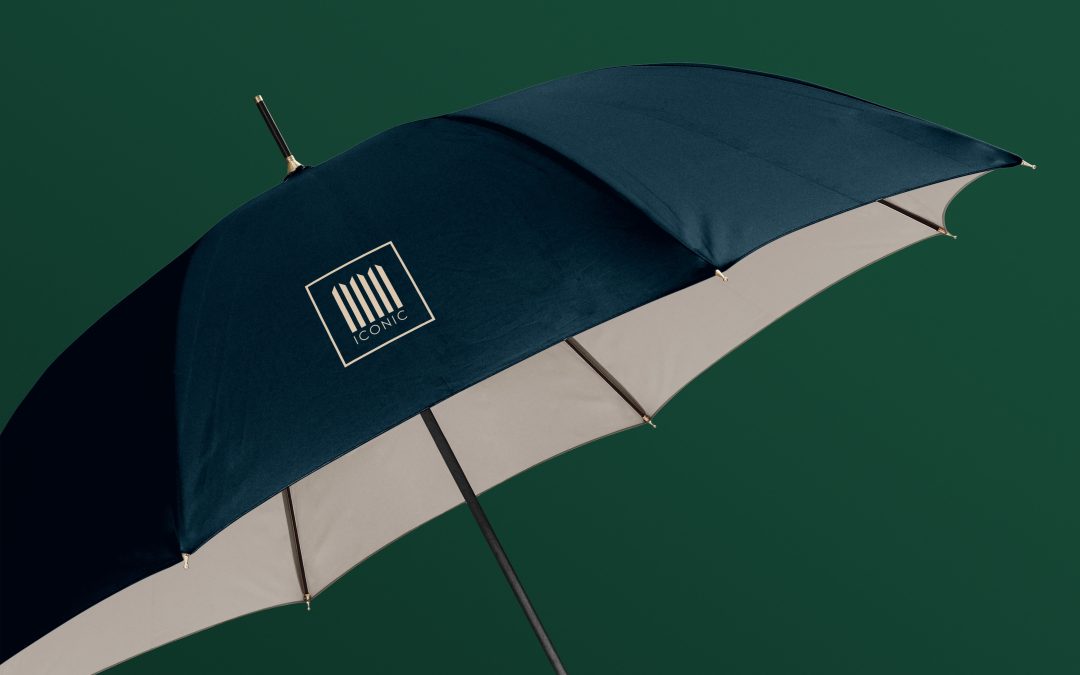
    opened navy umbrella with logo of a hotel Iconic on it

    6. Personalized Stationery Sets: Provide guests with elegantly designed stationery sets featuring your hotel’s logo or motif. Whether used for jotting down notes or writing postcards, these sets add a touch of sophistication to the guest experience and encourage engagement with your brand.

    7. Exclusive Spa Products: Partner with reputable skincare brands to develop a line of exclusive spa products infused with indigenous ingredients or therapeutic scents. From soothing body lotions to revitalizing facial masks, these indulgent treats allow guests to recreate the spa experience at home.

    8. Cultural Immersion Kits: Curate cultural immersion kits that showcase the unique heritage and traditions of your hotel’s locale. Include items such as traditional handicrafts, recipe cards for local dishes, and curated playlists of regional music to provide guests with an authentic taste of the destination.

    9. Outdoor Adventure Gear: For hotels situated in nature-rich destinations, offer branded outdoor adventure gear such as water bottles, hiking maps, and binoculars. These practical essentials equip guests for exploration while reinforcing your hotel’s connection to the natural environment.

    10. Virtual Experience Packages: In today’s digital age, consider offering virtual experience packages that bring the essence of your hotel to guests wherever they may be. This could include virtual cooking classes with your executive chef, guided meditation sessions set against panoramic views of your property, or virtual tours showcasing hidden gems in the surrounding area.

    Remember, hotel merchandise is not just about slapping your logo on a product; it’s about telling a compelling story and fostering a connection that transcends the transactional nature of hospitality. With the right approach, it can be a powerful tool for building brand loyalty and leaving a lasting impression on your guests.

    How to use Pinterest for your hospitality business – top tips and tools.

    How to use Pinterest for your hospitality business – top tips and tools.

    Pinterest isn’t just a social media platform; it’s a dynamic tool that can revolutionize how hospitality businesses engage with their audience and drive bookings. Here’s why diving into Pinterest is a smart move for hospitality entrepreneurs:

    The Pinterest Difference

    First things first, let’s talk numbers. Pinterest isn’t just some small fry in the social media ocean – it’s a behemoth with over 450 million monthly active users worldwide. But here’s the kicker – Pinterest isn’t just a social platform; it’s a visual search engine. That’s right – think Google, but for images and ideas. Users come to Pinterest not just to connect with friends, but to discover inspiration, plan projects, and make purchasing decisions.

    Standing Out from the Crowd

    So, why should you choose Pinterest over other social media platforms? Well, for starters, Pinterest is all about inspiration and discovery. Unlike platforms like Facebook or Instagram, where content tends to get lost in a sea of updates and ads, Pinterest users actively seek out content related to their interests. This means that your Pins have a much higher chance of getting discovered by users who are genuinely interested in what you have to offer.

    The Power of Visual Storytelling

    As a hospitality business owner, you know the importance of visual storytelling. Whether you’re showcasing your hotel’s stunning interiors, your restaurant’s mouthwatering dishes, or your travel agency’s exotic destinations, captivating imagery is key to capturing the attention of potential customers. Pinterest provides the perfect platform to tell your brand’s story through visually engaging content, allowing you to showcase your offerings in a way that resonates with your audience.

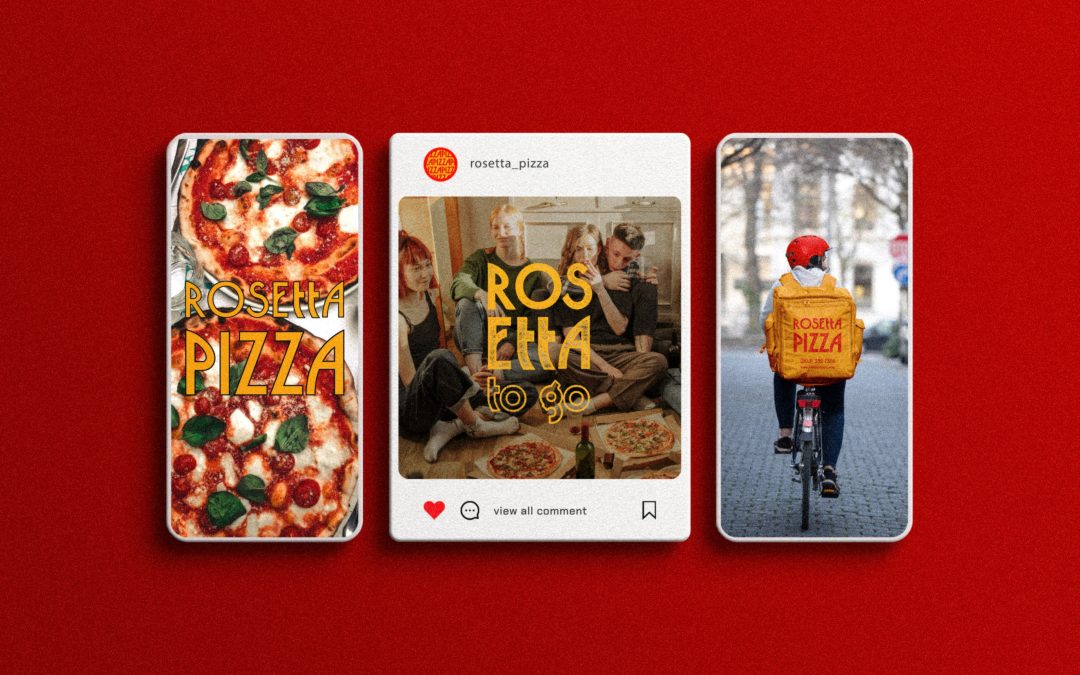
    The first image is a close-up of a pizza with the words "Rosemary Pizza" in the top left corner. The second image is a photo of a group of friends sitting around a table with a pizza in the center. The third image is a photo of a delivery driver on a bicycle with a pizza delivery bag on his back.

    Understanding the User

    One of the most powerful aspects of Pinterest is its ability to tap into user intent. Unlike other social platforms where users primarily engage with content for entertainment or social interaction, Pinterest users are often on a mission – whether it’s planning a vacation, redecorating their home, or trying out a new recipe. This presents a golden opportunity for hospitality businesses to connect with users at the moment when they’re actively seeking inspiration and information related to their offerings.

    10-Point Action Plan for Pinterest Success:

    1. Create a business account on Pinterest to access valuable features and analytics.
    2. Showcase your offerings through visually engaging content, including high-quality images and videos.
    3. Create boards that reflect different aspects of your business, such as accommodations, dining experiences, and local attractions.
    4. Use relevant keywords in your Pin descriptions and board titles to improve discoverability.
    5. Engage with the Pinterest community by liking, commenting on, and repinning content from other users.
    6. Join group boards or collaborate with other businesses in your industry to expand your reach.
    7. Utilize Pinterest Analytics to track the performance of your Pins and boards and adjust your strategy accordingly.
    8. Experiment with different types of content, posting frequencies, and Pin formats to see what resonates best with your audience.
    9. Stay informed about trending topics and popular keywords in your niche to stay ahead of the competition.
    10. Stay consistent with your Pinterest efforts and be patient – success on Pinterest takes time and effort, but the results can be well worth it!

    Here are the tools that can help you create, post, and promote your pins, ensuring your business stands out in the crowded Pinterest space:

    Tools for Creating Graphics

    Canva

    Canva is a user-friendly graphic design tool that offers a wide range of templates specifically designed for Pinterest. With drag-and-drop functionality, you can easily create eye-catching pins even if you have no design experience.

    Adobe Spark

    Adobe Spark allows you to create professional-looking graphics and videos for Pinterest. It offers customizable templates and intuitive design features to help you craft visually appealing pins.

    Piktochart

    Piktochart is great for creating infographics, which are highly popular on Pinterest. It offers a variety of templates and easy-to-use design tools to help you convey information effectively.

    Crello

    Crello is similar to Canva, providing a variety of templates for Pinterest. It offers animated designs and a vast library of images, fonts, and design elements to create unique pins.

    Tools for Scheduling and Posting Automatically

    Tailwind

    Tailwind is a powerful scheduling tool specifically designed for Pinterest and Instagram. It allows you to plan, schedule, and analyze your pins. Tailwind’s SmartSchedule feature helps you post at the best times for engagement.

    Buffer

    Buffer is a versatile social media management tool that supports Pinterest. It allows you to schedule pins, track their performance, and manage multiple accounts from a single dashboard.

    Hootsuite

    Hootsuite is a comprehensive social media management platform that includes Pinterest scheduling. It helps you schedule pins, monitor social conversations, and measure your social media performance across various networks.

    Later

    Later is primarily known for Instagram scheduling, but it also supports Pinterest. It offers a visual content calendar, making it easy to plan and schedule your pins. The drag-and-drop interface simplifies the process of organizing your content.

    Tools for Analytics and Promotion

    Pinterest Analytics

    Pinterest’s native analytics tool provides insights into your pin performance, audience demographics, and engagement metrics. It’s essential for understanding what’s working and where you can improve.

    Tailwind Tribes

    Tailwind Tribes is a feature within Tailwind that allows you to join groups of pinners with similar interests. You can share each other’s content, which helps in boosting your reach and engagement.

    PinGroupie

    PinGroupie helps you find popular Pinterest group boards in your niche. Joining and actively participating in group boards can significantly increase your pins’ visibility.

    Ahrefs

    Ahrefs is a robust SEO tool that can be used to track the performance of your Pinterest pins. It provides insights into the keywords that drive traffic to your pins and helps you optimize your content for better search visibility.

    Tailwind Create

    Tailwind Create is a design tool within Tailwind that helps you generate multiple pin designs quickly. You can customize these templates and schedule them directly within Tailwind, streamlining your workflow.

    Principles of Visual Hierarchy and How to Use Them In Branding

    Principles of Visual Hierarchy and How to Use Them In Branding

    Understanding how people read and absorb information is super important for engaging your audience. In this blog post, we’ll talk about how you can make your website and menu easier for people to understand. We’ll explore reading patterns and hierarchy and give you tips on how to make your digital stuff more captivating for your visitors, helping your hospitality business succeed.

    The Science of Reading:

    Have you ever wondered how people read content online? Contrary to what you might think, it’s not a linear process. Instead, readers tend to scan pages in a non-linear fashion, seeking out information that is relevant to their interests or needs. This behavior is shaped by factors such as attention spans, visual cues, and cognitive processes.

    Eye Movement and Page Layout:

    Research in eye-tracking technology has provided valuable insights into how the human eye navigates through digital content. When users land on a webpage, their gaze typically follows an “F-shaped” pattern, where they scan horizontally across the top of the page, then vertically down the left side, focusing on headings, subheadings, and bullet points.

    Understanding these reading patterns allows you to strategically place important information where it’s most likely to be seen. For hospitality business owners, this means prioritizing key details such as menu items, opening hours, and contact information in prominent locations on your website.

    Importance of Hierarchy:

    Hierarchy plays a crucial role in guiding the reader’s attention and organizing information in a logical manner. By establishing a clear hierarchy of content, you can help users navigate your website more easily and find what they’re looking for quickly.

    For example, on your restaurant’s website, the menu should be presented in a clear and intuitive manner, with categories such as appetizers, mains, and desserts clearly delineated. Use visual cues such as bold text, color, and size to highlight important items or special offers, guiding the reader’s focus to areas of interest.

    Applying Hierarchy to Your Website:

    When designing or revamping your hospitality business website, keep these principles of hierarchy in mind:

    Clear Navigation: Make sure your website navigation is intuitive and easy to use, with clearly labeled menus and categories.

    Visual Hierarchy: Use visual elements such as headings, subheadings, and bullet points to create a clear hierarchy of information.

    Whitespace: Don’t overcrowd your pages with text and images. Leave plenty of whitespace to help content breathe and improve readability.

    Consistency: Maintain consistency in design elements such as colors, fonts, and spacing to create a cohesive and professional look.

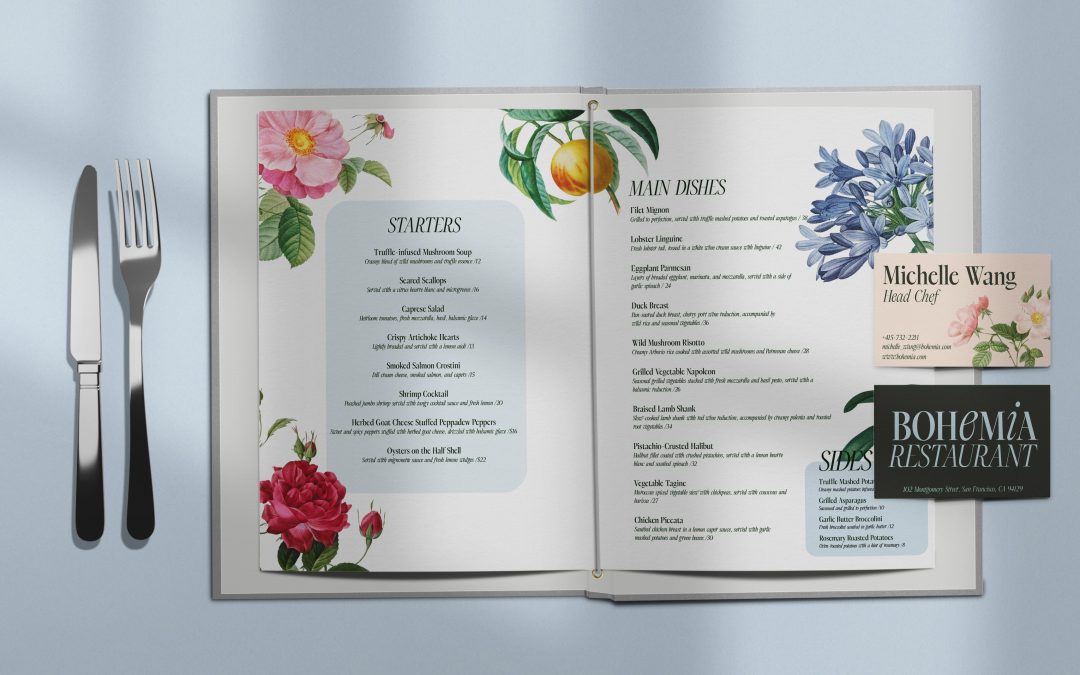
    A menu for a restaurant called Bohemia. it has a elegant design and uses images of flowers. there are two business cards lying next to it.

    Optimizing Your Menu:

    Your menu is one of the most important assets on your website, serving as a virtual gateway to your culinary offerings. To optimize your menu for readability and engagement, consider the following tips:

    Clear Descriptions: Keep menu descriptions concise and informative, highlighting key ingredients and flavors.

    Visual Appeal: Incorporate high-quality images of your dishes to entice customers and provide a visual representation of your offerings.

    Highlight Specials: Use visual cues such as banners or icons to draw attention to special items or promotions.

    Mobile Optimization: Ensure your menu is mobile-friendly, with responsive design that adapts to different screen sizes.

    By understanding how people read and absorb information online, you can optimize your hospitality business website to better engage your audience and drive success. By applying principles of hierarchy and prioritizing key content, you can create a user-friendly digital experience that keeps customers coming back for more.