Brand Design Terms Demystified

Brand Design Terms Demystified

Ever found yourself in a situation where someone was casually throwing around industry jargon as if it were the most natural thing in the world? I experienced that recently at the hairdresser’s. As she explained various hair dye techniques using insider terminology, I found myself nodding along, pretending to understand, when in reality, I was completely lost.

It got me thinking: do I do the same thing when talking about brand design? Do I assume everyone understands terms like “visual identity” or “branding,” when in fact, they might be as confused as I was at the hairdresser’s?

That’s why I’ve put together a quick cheat sheet to explain the basic branding terminology. Whether you’re a small business owner, a creative entrepreneur, or simply curious about the world of branding, this guide is for you. Let’s demystify those terms together!

Logo: Think of your logo as the face of your brand. It’s a graphical representation that serves as a visual symbol for your business. It typically consists of an icon, emblem, or wordmark (text-based logo), or a combination of these elements.

Visual Identity: Your visual identity encompasses all the visual elements that represent your brand. This includes your logo, color palette, typography (fonts), imagery style, and any graphical elements used consistently across your branding materials.

Brand Identity: While your visual identity focuses on the visual aspects, your brand identity is broader. It encompasses the overall personality, values, and promise of your brand. It’s how you want your audience to perceive your business. This includes your brand’s mission, values, voice (tone of communication), and the emotional connection you aim to establish with your audience.

Branding: Branding is the process of creating and managing your brand identity. It involves strategically shaping how your brand is perceived by your target audience. This includes everything from designing your visual identity to crafting your brand messaging and developing marketing strategies to communicate your brand effectively.

Now, let’s put it all together with an example:

Imagine you’re opening a cozy cafe called “Sunny Brews.” Your logo might feature a cheerful sun icon along with the name of your cafe in a friendly font. This logo represents your visual identity. Your brand identity might emphasize values such as warmth, community, and quality coffee. Your branding efforts would then focus on consistently communicating these values through your cafe’s ambiance, customer service, social media presence, and marketing materials.

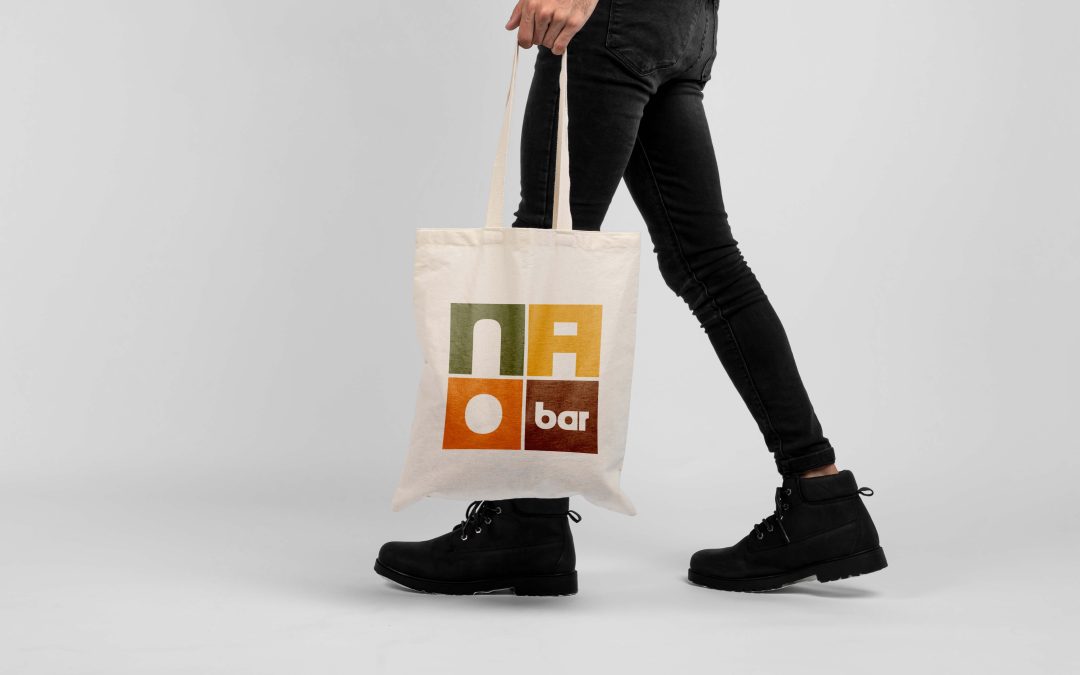
legs of a man wearing black trousers and boots holding white tote bag with logo of a bar called NAO, the letters of a logo are modern and square and colors are olive green, yellow, orange and brown

In summary, while terms like logo, visual identity, brand identity, and branding may seem intimidating at first, they’re simply different aspects of creating a strong and memorable brand for your business. By understanding these concepts and how they work together, you can effectively shape the identity of your brand and connect with your audience in meaningful ways.

Timeless vs. Trendy: Which Style Suits Your Hospitality Business?

Timeless vs. Trendy: Which Style Suits Your Hospitality Business?

In the world of branding, especially in sectors like hospitality and restaurants, where aesthetics play a pivotal role, the choice between timeless and trendy design can significantly impact the perception of your brand. In this post, we’ll navigate through the seas of design trends, exploring the merits of both timeless and trendy choices and offering insights to help you make the best decisions for your brand. 

What’s the Difference Between Timeless and Trendy Design?

Timeless design evokes a sense of longevity and sophistication, standing the test of time without succumbing to the whims of passing fads. Think sleek lines, neutral color palettes, and classic typography. Trendy design, on the other hand, embraces the zeitgeist, incorporating the latest styles and aesthetics to capture attention and evoke a sense of novelty. It’s bold, it’s daring, and it’s often a reflection of the current cultural landscape. But how do you choose between the two?

Pro Tip: Strike a balance between timeless and trendy elements in your design to create a brand identity that feels both current and enduring.

How Can You Incorporate Timeless Elements into Your Branding?

Embracing timeless design doesn’t mean sacrificing creativity or originality. On the contrary, it’s about distilling your brand essence into simple, elegant forms that stand the test of time. Consider classic color palettes, clean typography, and minimalist logos that exude sophistication and refinement. By focusing on timeless elements, you can create a brand identity that feels both timeless and contemporary, resonating with your audience for years to come.

Pro Tip: Keep it simple. Avoid clutter and excessive ornamentation in your design to maintain a timeless aesthetic.

How Can You Stay Ahead of Design Trends Without Sacrificing Timelessness?

Finding the perfect balance between timeless and trendy design is an ongoing journey, requiring constant vigilance and adaptability. To stay ahead of the curve, immerse yourself in the world of design, keeping a close eye on emerging trends and innovations. But remember, not every trend is worth embracing. Before jumping on the bandwagon, consider how a particular trend aligns with your brand identity and values. Will it enhance your brand story and resonate with your target audience, or is it just a passing fad? By approaching design trends with a discerning eye and a commitment to authenticity, you can navigate the ever-changing landscape of design with confidence and grace.

Pro Tip: Don’t be afraid to put your own spin on design trends to make them uniquely yours. Experimentation is key to staying relevant in a constantly evolving marketplace.

outside banner attached to the modern building with the name of a yoga studio called bend and balance, the sigh is white with the studio logo written in delicate, light brown letters

Here are the brands that have mastered the art of balancing tradition with innovation, capturing the essence of timeless branding while staying ahead of the curve in today’s ever-evolving market. From iconic logos to captivating storytelling, these brands serve as shining examples of how to blend heritage with modernity, resonating with audiences across generations. 

Chanel: Chanel is synonymous with timeless elegance and sophistication, from its classic black-and-white branding to its iconic Chanel No. 5 perfume bottle. Despite its heritage, Chanel remains at the forefront of fashion trends, consistently reinventing itself through bold runway collections, strategic partnerships, and innovative marketing campaigns.

IKEA: IKEA’s branding is built on the principles of simplicity, functionality, and affordability, with its blue-and-yellow color scheme and clean, modern typography reflecting its Scandinavian roots. While maintaining its timeless design ethos, IKEA adapts to evolving consumer preferences and lifestyles, offering innovative solutions for sustainable living, smart technology integration, and contemporary home decor trends.

Burger King: During its recent rebranding, Burger King took a bold step by reviving its vintage logo from decades ago. While the logo itself underwent minimal changes, the overall branding was executed with such finesse that it breathed new life into the familiar design, giving it a fresh and contemporary feel. This clever move not only celebrated Burger King’s heritage but also resonated with consumers, sparking nostalgia while capturing the attention of a new generation.

Disney: Disney’s branding transcends generations, with its timeless characters and enchanting storytelling captivating audiences of all ages. While rooted in nostalgia and tradition, Disney stays relevant by embracing new technologies and expanding its entertainment empire across various platforms. From classic animated films to cutting-edge theme park attractions and digital streaming services, Disney’s brand remains synonymous with magic and imagination, making it a timeless icon in the entertainment industry.

Target: Target’s branding is a masterclass in blending timeless appeal with modern convenience. With its bold red bullseye logo and clean, approachable design aesthetic, Target has become a beloved household name. Through strategic partnerships with designers and exclusive product lines, Target continually refreshes its brand image while maintaining its reputation for quality, affordability, and accessibility

The choice between timeless and trendy design can be daunting. However, by understanding the merits of each approach and embracing a balanced strategy that incorporates current branding trends, you can create a brand identity that stands the test of time while capturing the imagination of your audience. From hotel branding to restaurant logos, every aspect of your brand identity should reflect your unique story and values, resonating with your audience on a deep and meaningful level. So, whether you’re crafting a sleek and sophisticated brand or injecting a pop of color and personality into your design, remember to stay true to yourself and your vision. After all, in a sea of trends, authenticity is the ultimate luxury.

How To Use Photography To Set Your Hospitality Brand Apart

How To Use Photography To Set Your Hospitality Brand Apart

You visit a business website, and everything seems just right – a sleek logo, vibrant colors, and a promising vibe. But then, there they are: photos that stick out like a sore thumb, amateurish and uninspiring or straight from stock website.  In the realm of hospitality branding, where every detail counts, these lackluster visuals can be a deal-breaker. Let’s explore why relying on professional photography is non-negotiable when it comes to capturing the essence of your hospitality brand. 

Defining Your Visual Identity:

Before the cameras start clicking, it’s crucial to define the style, vibe, and mood you want to convey through your brand photography. This is where a skilled brand designer can be invaluable. They’ll work with you to understand your brand’s personality, target audience, and unique selling points, helping to translate these insights into visual storytelling. Whether you’re aiming for a cozy and intimate atmosphere or a sleek and modern aesthetic, your brand designer will guide you in determining the right photography direction to authentically represent your hospitality brand. After all, the photos should not only capture your space but also evoke the emotions and experiences you want your guests to feel.

Professionalism Matters:

First impressions matter, especially in the world of hospitality. When potential guests or customers visit your website or social media profiles, they’re looking for reassurance that you’re a professional establishment worthy of their time and money. High-quality, professionally shot and edited photos convey a sense of professionalism and attention to detail that simply can’t be achieved with amateur snapshots. Investing in professional photography demonstrates your commitment to excellence and sets the tone for the entire brand experience.

Quality Speaks Volumes:

Let’s face it – in today’s visually driven world, quality matters. Whether it’s the crispness of the image, the richness of the colors, or the attention to detail in the composition, quality photography speaks volumes about the caliber of your hospitality brand. Guests are more likely to trust a hotel or restaurant that presents itself in the best possible light, both figuratively and literally. Professional photographers have the expertise and equipment to capture your space in its best possible light, ensuring that every photo reflects the quality and value of your brand.

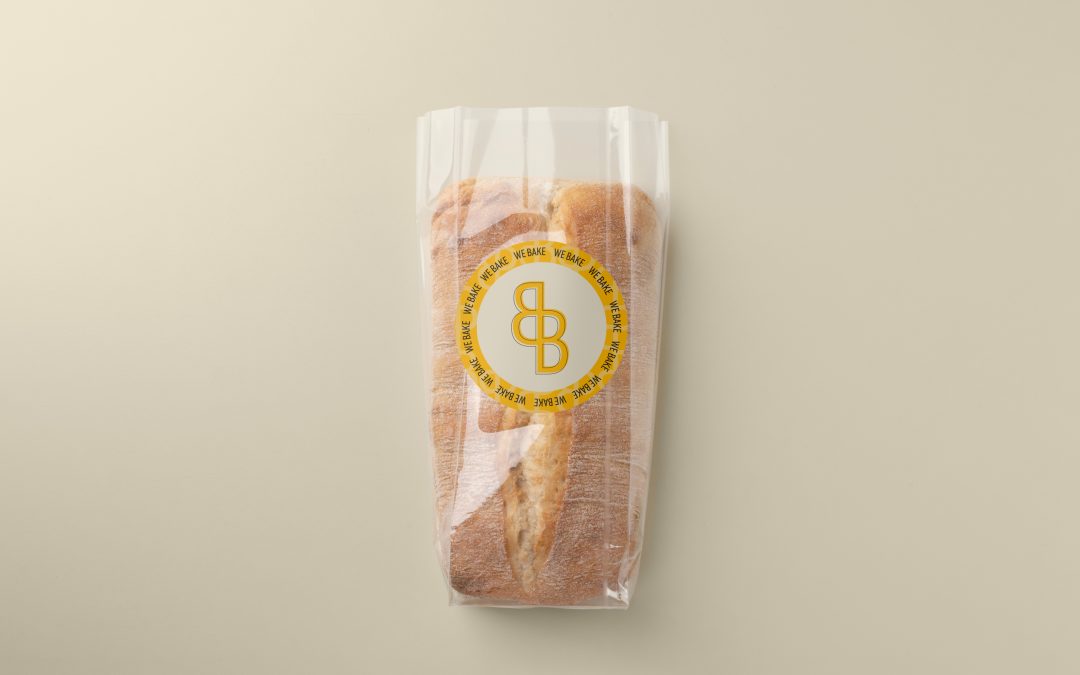
bread wrapped in transparent foil that has a sticker with a bakery logo in yellow

Attention to Detail:

Capturing the essence of your hospitality brand requires attention to detail – something that professional photographers excel at. From selecting the perfect angles and lighting to styling the scene and editing the final images, every step is carefully orchestrated to ensure that each photo tells a compelling story and evokes the desired emotions. Professional photographers understand the nuances of hospitality photography and know how to highlight the unique features and selling points of your establishment, whether it’s a cozy guest room, a mouthwatering dish, or a breathtaking view.

The Perils of Stock Photos:

Ah, stock photos – the bane of authenticity in the world of hospitality branding. While they may seem like a quick and easy solution, the truth is, they often do more harm than good. Not only can stock photos feel generic and uninspired, but they also lack the authenticity and personality that guests crave. You can always tell when a business is using stock photos – maybe you’ve even seen them somewhere else. In an industry where authenticity is everything, using photos that don’t showcase your actual business can be a major turnoff for potential guests.

bakery menu, it is white, with logo that says we bake and list of bakery items to buy, menu is attached to clip on board, there is bread and bread rolls lying aroud

The Pro Tip:

When it comes to brand photography in hospitality, there’s no substitute for professionalism. Investing in high-quality, professionally shot and edited photos is essential for conveying the caliber, consistency, and attention to detail that your brand represents. Don’t settle for amateur snapshots or generic stock photos that undermine your credibility and dilute your brand identity. Instead, enlist the expertise of a professional photographer who understands the unique needs and nuances of hospitality photography and can elevate your brand to new heights.

Key Takeaways:

  • Collaborating with a brand designer is key to defining your visual identity, ensuring your brand photography captures the essence and emotion that resonates with your target audience.
  • Professional photography is essential for conveying professionalism and attention to detail.
  • Quality photography speaks volumes about the caliber of your hospitality brand.
  • Consistent branding requires entrusting all photography needs to a professional.
  • Professional photographers excel at capturing the nuances and unique features of your establishment.
  • Using generic stock photos undermines authenticity and dilutes your brand identity.


In the competitive world of hospitality branding, every detail matters. By investing in professional photography, you demonstrate your commitment to excellence, convey the quality and value of your brand, and create a cohesive and consistent visual identity that resonates with your audience. So, don’t leave your brand’s image to chance – enlist the expertise of a professional photographer and watch as your hospitality brand shines brighter than ever before.

Authentic Narratives: Why Your Story is Your Brand’s Greatest Asset

Authentic Narratives: Why Your Story is Your Brand’s Greatest Asset

Picture this: you’re strolling through a bustling city street, and amidst a sea of logos and advertisements, one particular brand catches your eye. Why? Because it’s not just a logo or a tagline; it’s a story—a narrative that speaks to you on a deeper level. Welcome to the power of authentic narratives in branding! In this blog post, we’ll dive into why your story is your brand’s greatest asset, exploring how it can elevate your hotel, restaurant, or hospitality business to new heights of success.

Why Does Your Brand Need a Compelling Story?

In a world bombarded with information, why should anyone care about your brand’s story? Well, consider this: stories have a unique ability to forge connections, evoke emotions, and create lasting impressions. Think about your favorite brands—chances are, they resonate with you because they’ve woven a narrative that speaks directly to your values and aspirations. So, ask yourself: What story does your brand tell? Is it compelling enough to capture the hearts and minds of your audience?

Pro Tip: Dig deep into your brand’s history, values, and mission to uncover the essence of your story. Authenticity is key—don’t be afraid to showcase the quirks and imperfections that make your brand unique.

How Can You Craft an Authentic Brand Story?

Crafting an authentic brand story requires more than just clever copywriting—it demands sincerity, vulnerability, and a deep understanding of your audience. Start by reflecting on what sets your brand apart from the competition. What inspired you to embark on this entrepreneurial journey? What challenges have you overcome along the way? By infusing your story with genuine passion and personality, you’ll create a narrative that resonates with your audience on a visceral level.

Pro Tip: Don’t be afraid to get personal! Share anecdotes, behind-the-scenes glimpses, and testimonials that humanize your brand and foster genuine connections with your audience.

But What If My Brand Doesn’t Have a Compelling Story?

It’s a common misconception that only certain brands have compelling stories worth telling. In reality, every brand—no matter how big or small—has a story waiting to be uncovered. Whether you’re a boutique hotel, a family-owned restaurant, or a trendy hospitality startup, there are unique experiences, values, and aspirations that shape your brand’s identity. Take the time to explore your roots, listen to your customers’ feedback, and embrace the journey of self-discovery.

Pro Tip: If you’re struggling to find your brand’s story, consider conducting interviews with key stakeholders, hosting focus groups, or seeking inspiration from unexpected sources. Sometimes, the most compelling narratives emerge from the unlikeliest of places.

How Can Your Brand Story Enhance Hotel Branding and Restaurant Branding?

In the competitive landscape of hotel branding and restaurant branding, a compelling brand story can be a game-changer. Imagine checking into a hotel and discovering that each room is named after a famous historical figure who once stayed there, or dining at a restaurant that proudly showcases family recipes passed down through generations. These immersive storytelling experiences not only differentiate your brand from the competition but also create memorable moments that keep customers coming back for more.

Pro Tip: Incorporate elements of your brand story into every touchpoint of the customer journey, from your website and social media channels to your physical space and customer interactions. Consistency is key to building a cohesive brand narrative that leaves a lasting impression.

What Role Does Creative Branding Play in Storytelling?

Creative branding goes hand in hand with storytelling, serving as the visual and aesthetic expression of your brand’s narrative. From your hotel logo to your restaurant’s interior design, every creative element should reflect the essence of your brand story and resonate with your target audience. Think beyond conventional marketing tactics and embrace bold colors, innovative design concepts, and unexpected visual motifs that capture the imagination and invite customers into your brand’s world.

Pro Tip: Collaborate with talented designers, artists, and creative agencies to bring your brand story to life in visually stunning ways. Remember, every design choice should serve a purpose and contribute to the overall narrative you’re trying to convey.

Why Is Your Brand’s Story Its Greatest Asset?

At the end of the day, your brand’s story is more than just words on a page—it’s the soul of your business, the driving force behind everything you do. In a world where consumers crave authenticity and connection, your brand’s story is what sets you apart from the competition, fosters loyalty among customers, and drives long-term success. So, embrace the power of storytelling, and watch as your brand evolves from a mere logo into a compelling narrative that captivates hearts, minds, and wallets.

Pro Tip: Keep refining and evolving your brand story over time, staying true to your core values while adapting to changing market trends and consumer preferences. The journey of storytelling is never-ending—but the rewards are endless.

Let’s explore how some prominent brands leverage their brand stories in marketing to achieve greater success:

Nike: Just Do It

Nike’s iconic “Just Do It” slogan isn’t just about selling shoes—it’s a rallying cry for athletes and enthusiasts worldwide. By weaving the brand story of perseverance, determination, and overcoming obstacles into their marketing campaigns, Nike inspires consumers to push beyond their limits. Without this powerful narrative, Nike’s products would be just another commodity in the crowded sportswear market.

Apple: Think Different

Apple’s brand story revolves around innovation, creativity, and challenging the status quo. From their sleek product designs to their minimalist marketing campaigns, every aspect of Apple’s brand narrative reinforces the idea of thinking differently. This unique storytelling approach has elevated Apple from a computer company to a global cultural phenomenon, attracting loyal customers who align with their values.

Coca-Cola: Share a Coke

Coca-Cola’s brand story centers on happiness, togetherness, and the joy of sharing moments with loved ones. Their “Share a Coke” campaign personalized their iconic bottles with common names, encouraging consumers to connect and bond over a shared experience. Without this emotional storytelling angle, Coca-Cola would be just another soda brand vying for attention in a competitive market.

Airbnb: Belong Anywhere

Airbnb’s brand story is about more than just booking accommodations—it’s about belonging, exploration, and cultural immersion. Through their marketing efforts, Airbnb showcases real-life stories of hosts and guests, highlighting the unique connections and experiences made possible through their platform. Without this emphasis on community and belonging, Airbnb would struggle to differentiate itself in the travel industry.

Patagonia: Built to Last

Patagonia’s brand story is rooted in environmental sustainability, outdoor adventure, and ethical business practices. Through their marketing campaigns, Patagonia educates consumers about environmental issues while showcasing their commitment to producing high-quality, long-lasting products. Without this authentic storytelling approach, Patagonia would lose its loyal customer base who value sustainability and social responsibility.

In each of these examples, the brand story isn’t just a marketing gimmick—it’s the essence of what sets these companies apart and resonates with their target audience. By authentically conveying their values, beliefs, and purpose, these brands forge emotional connections that drive loyalty, advocacy, and ultimately, success in the marketplace. Without their compelling brand narratives, they would struggle to stand out in crowded industries and capture the hearts and minds of consumers.

Some Frequently Asked Questions About Brand Storytelling

How do I uncover my brand story?

Your brand story lies at the intersection of your values, experiences, and aspirations. Reflect on what drives your business and what sets you apart from the competition. Talk to customers, employees, and stakeholders to gain insights into your brand’s essence.

Pro Tip: Conduct storytelling workshops with your team to brainstorm ideas and uncover hidden narratives. This collaborative approach will enrich your brand story and foster a sense of ownership among employees.

How do I maintain consistency in my brand storytelling?

Consistency is crucial for effective brand storytelling. Develop brand guidelines that outline your tone of voice, visual identity, and messaging strategy. Ensure that every communication channel—from your website to social media—reflects your brand’s core values and narrative.

Pro Tip: Regularly review your brand guidelines to ensure they align with your evolving business goals and audience preferences. Consistency breeds trust and reinforces your brand’s identity in the minds of consumers.

________________

In a world filled with choices, authentic storytelling is the cornerstone of successful branding. Whether you’re in hospitality, hotel management, restaurant ownership, or any other industry, your brand story is your greatest asset. By infusing your narrative into every aspect of your brand, you create meaningful connections that resonate with your audience on a profound level. 

Remember – your brand story isn’t just a tale—it’s the promise you make to your audience. Embrace it, nurture it, and watch as it transforms your brand into an unforgettable experience for your customers.

Maximize Your Food Truck’s Impact: Practical Tips for Boosting Visibility and Sales

Maximize Your Food Truck’s Impact: Practical Tips for Boosting Visibility and Sales

Have you ever passed by a food truck and felt an irresistible urge to snap a photo, not just of the scrumptious treats it offers, but of its entire vibe? That’s the magic of exceptional food truck branding. In a world bustling with culinary options, your food truck isn’t just a vehicle serving food; it’s a rolling billboard, an immersive experience, and a conversation starter. But how do you ensure your truck stands out in the crowded streetscape of gastronomic delights? Let’s dive into the world of food truck branding and discover the secrets to creating a mobile culinary sensation that’s impossible to ignore.

Stand Out with Strong Branding

When it comes to food truck branding, your logo is just the tip of the iceberg. It’s your unique branding elements that set the stage for an unforgettable experience. Think vibrant colors, quirky graphics, and a compelling brand story that resonates with your audience. Your food truck isn’t just about serving delicious food; it’s about creating an immersive atmosphere that leaves a lasting impression on everyone who crosses its path.

Actionable Tip: Brainstorm a list of adjectives that describe your food truck’s personality and use them as a guide when designing your branding elements. For example, if your truck exudes retro charm, incorporate vintage-inspired fonts and illustrations into your logo and signage.

Craft Your Brand Story

Every food truck has a story, and yours is what sets you apart from the competition. Whether it’s the tale of how your grandma’s secret recipe inspired your culinary journey or the quirky adventures that led to the birth of your food truck concept, your brand story is the heart and soul of your business. It’s what connects you with your customers on a deeper level and keeps them coming back for more.

Actionable Tip: Sit down and write out your food truck’s origin story, focusing on the key moments and experiences that shaped your brand. Use this narrative as the foundation for your marketing materials, website content, and social media posts to create a cohesive brand identity.

Your Food Truck: A Moving Billboard That Drives Sales and Recognition

Your food truck is more than just a mode of transportation; it’s your primary advertising tool. As you navigate the streets, your truck becomes a moving billboard, showcasing your brand to potential customers wherever you go. That’s why it’s crucial to design a truck that’s not only easy to recognize from a distance but also impossible to forget. From bold colors to eye-catching signage, every detail plays a part in ensuring your truck commands attention wherever it goes.

Actionable Tip: Conduct a mock-up of your food truck design using digital software or even by hand. Experiment with different color schemes, fonts, and graphics to find the combination that best reflects your brand identity while maximizing visibility.

Social Media: Your Secret Weapon for Building Buzz

In today’s digital age, social media is a game-changer for food truck businesses. Platforms like Instagram, Facebook, and Twitter allow you to connect with your audience in real-time, sharing mouthwatering photos, behind-the-scenes glimpses, and upcoming locations. By harnessing the power of social media, you can turn your food truck into a social sensation, with customers eagerly awaiting your next stop and sharing their experiences with friends and followers.

Actionable Tip: Create a content calendar outlining the types of posts you’ll share each week, such as menu highlights, customer testimonials, and behind-the-scenes peeks. Use relevant hashtags to increase your visibility and encourage user-generated content by reposting photos and reviews from satisfied customers.

Making Your Menu the Star

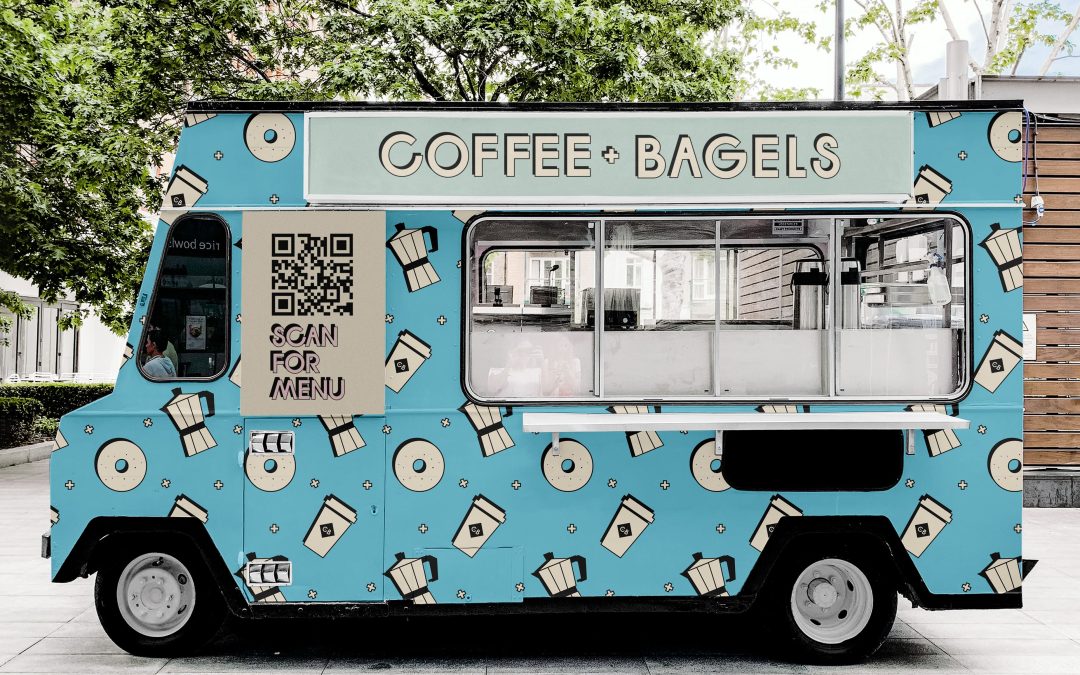
Your menu isn’t just a list of dishes; it’s a reflection of your brand’s personality and style. Make it a focal point of your food truck design, with bold typography, mouthwatering photos, and a layout that’s as appetizing as the food itself. Consider incorporating a large QR code that customers can scan to access your menu online, making it easy for them to browse your offerings and place orders on the go.

Actionable Tip: Invest in professional food photography to showcase your menu items in the best possible light. Experiment with different layouts and formats, such as chalkboard-style menus or digital displays, to create visual interest and make it easy for customers to find what they’re craving.

Unleash Your Creativity: Embrace the Quirky and Fun

One of the biggest advantages of owning a food truck is the freedom to get creative. Unlike traditional restaurants, which are bound by space and location, food trucks can go wherever the culinary adventure takes them. Embrace the quirky and fun aspects of your brand, whether it’s through playful graphics, witty signage, or themed events that keep customers coming back for more. After all, when it comes to food truck branding, the sky’s the limit!

Actionable Tip: Host themed events or collaborations with local artists, musicians, or other food vendors to create buzz and attract new customers. Get feedback from your customers and incorporate their ideas into your truck’s design and menu offerings to keep things fresh and exciting.

Pro Tip: Collaborate with a Designer

Creating a standout food truck design isn’t something you should tackle alone. Collaborate with a talented designer who understands your brand vision and can bring it to life in exciting and unexpected ways. From brainstorming creative concepts to fine-tuning the smallest details, a designer can help elevate your food truck from ordinary to extraordinary, ensuring it’s a feast for the eyes as well as the taste buds.

Unforgettable Branding, Unstoppable Success

In the world of food trucks, branding isn’t just about logos and colors; it’s about creating an immersive experience that captivates your audience and keeps them coming back for more. By crafting a compelling brand story, designing a truck that commands attention, harnessing the power of social media, and unleashing your creativity, you can transform your food truck into a culinary sensation that’s impossible to ignore. So why blend in when you were born to stand out? Embrace the power of branding and watch your food truck become the talk of the town.

Key Takeaways:

🍍 Craft a compelling brand story that resonates with your audience and sets you apart from the competition.

🍍 Design a food truck that’s visually striking and easy to recognize from a distance.

🍍 Use social media to build buzz and connect with your customers in real-time.

🍍 Make your menu a focal point of your branding, with mouthwatering photos and easy-to-read formatting.

🍍 Embrace creativity and innovation to keep your food truck fresh and exciting for both new and returning customers.