The Psychology of Restaurant Design: How Layout Influences Customer Behavior

The Psychology of Restaurant Design: How Layout Influences Customer Behavior

The design of a restaurant goes beyond aesthetics; it plays a crucial role in shaping the dining experience and influencing customer behavior. From layout and lighting to color schemes and seating arrangements, every element can impact how customers perceive a restaurant, how long they stay, and how much they spend.

This post delves into the psychology of restaurant design, exploring how different design elements affect dining behavior and why these considerations are vital for successful branding.

The Role of Layout in Restaurant Design

Space Utilization and Flow

The layout of a restaurant significantly affects how customers move through the space and interact with the environment. A well-designed layout ensures a smooth flow, minimizing congestion and enhancing the dining experience. Key considerations include:

  • Entrance and Exit Points: These should be clearly marked and easily accessible to avoid confusion and create a welcoming atmosphere.
  • Pathways: Wide and unobstructed pathways facilitate easy movement for both customers and staff, reducing stress and improving service efficiency.
  • Seating Arrangements: Strategic placement of tables and chairs can maximize space without making the area feel cramped, ensuring comfort and privacy.

Seating Preferences

Different seating options cater to various customer preferences and dining occasions. For example:

  • Booths: Provide a sense of privacy and intimacy, ideal for small groups and couples.
  • High-top Tables: Encourage quick dining and are suitable for casual, social interactions.
  • Communal Tables: Foster a sense of community and are perfect for larger groups or social gatherings.

Understanding these preferences helps in designing a versatile space that caters to a diverse clientele.

The Impact of Lighting

Ambient Lighting

Lighting sets the mood and atmosphere of a restaurant. Warm, soft lighting creates a cozy and intimate environment, while bright, cool lighting fosters a lively and energetic ambiance. The choice of lighting should align with the restaurant’s theme and target audience. For instance:

  • Dim Lighting: Often used in fine dining establishments to create a romantic and relaxing atmosphere.
  • Bright Lighting: Common in fast-casual and quick-service restaurants to promote a sense of urgency and efficiency.

Accent Lighting

Accent lighting highlights specific areas or features, such as artwork, architectural details, or the bar area. It adds visual interest and draws attention to focal points, enhancing the overall aesthetic appeal.

The Psychological Effects of Color

Warm vs. Cool Colors

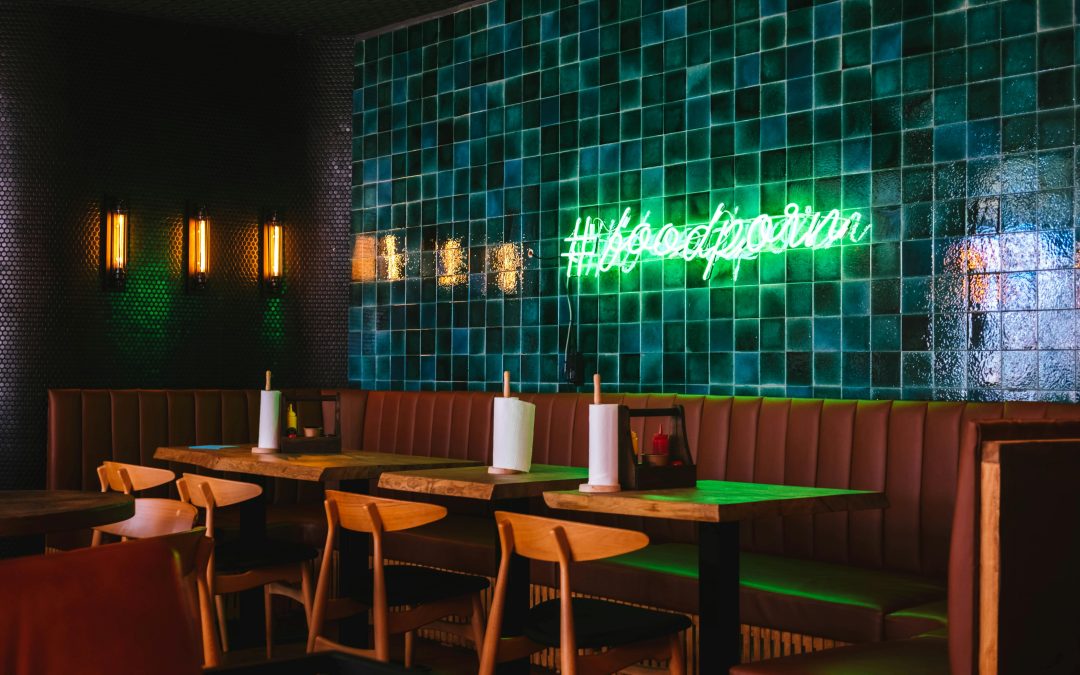
Colors have a profound impact on emotions and behavior. Warm colors (reds, oranges, yellows) are stimulating and can increase appetite, making them suitable for restaurants aiming to encourage quick dining and turnover. Cool colors (blues, greens, purples) have a calming effect, promoting relaxation and prolonged dining experiences. The choice of color should reflect the restaurant’s brand identity and desired customer experience.

Color Schemes and Branding

A cohesive color scheme reinforces brand identity and creates a memorable dining experience. Consistency in colors across the interior, menu, and marketing materials strengthens brand recognition and loyalty. For example, a health-focused restaurant might use greens and whites to evoke freshness and cleanliness, while a luxury restaurant might opt for deep reds and golds to convey opulence and sophistication.

Acoustic Considerations

Noise Levels

The acoustic environment of a restaurant can significantly affect customer comfort and satisfaction. Excessive noise can lead to a stressful and unpleasant dining experience, while too little noise can make the space feel empty and uninviting. Strategies to manage noise levels include:

  • Sound-Absorbing Materials: Carpets, curtains, and upholstered furniture help to reduce ambient noise.
  • Background Music: The type and volume of music should match the restaurant’s theme and target audience. Soft, instrumental music is suitable for fine dining, while upbeat, popular tunes work well in casual, social settings.

The Importance of Scent

Scent Marketing

The sense of smell is closely linked to memory and emotion. Pleasant aromas can enhance the dining experience and influence customer behavior. For instance:

  • Bakeries and Cafes: The smell of freshly baked bread and brewed coffee can entice passersby and create a welcoming atmosphere.
  • Fine Dining: Subtle, sophisticated scents, such as vanilla or lavender, can enhance the luxurious ambiance.

Strategic use of scent can reinforce brand identity and create a memorable dining experience.

Incorporating Natural Elements

Biophilic Design

Incorporating natural elements, such as plants, water features, and natural light, can create a calming and refreshing environment. Biophilic design not only enhances aesthetic appeal but also has psychological benefits, including reduced stress and improved well-being. For example:

  • Indoor Plants: Add a touch of nature and improve air quality.
  • Natural Light: Large windows and skylights create a bright and inviting space.

The Role of Technology

Digital Integration

The integration of technology in restaurant design enhances the customer experience and operational efficiency. Examples include:

  • Self-Service Kiosks: Speed up ordering and reduce wait times.
  • Digital Menu Boards: Offer dynamic and visually appealing displays.

Case Studies: Successful Restaurant Designs

Starbucks

Starbucks is renowned for its strategic use of design elements to create a “third place” between home and work. Key features include:

  • Comfortable Seating: A mix of individual and communal seating options caters to different needs.
  • Ambient Lighting: Warm, inviting lighting creates a cozy atmosphere.
  • Consistent Branding: The use of the brand’s signature green color reinforces brand identity.

    McDonald’s

    McDonald’s has revamped its design to offer a more modern and appealing dining experience. Key features include:

    • Bright and Vibrant Colors: Stimulate appetite and create a lively atmosphere.
    • Functional Layout: Efficient pathways and seating arrangements facilitate quick dining and turnover.
    • Digital Integration: Self-service kiosks and digital menu boards enhance convenience and efficiency.

    In the competitive world of hospitality, the importance of thoughtful restaurant design cannot be overstated. It is a powerful tool that, when used effectively, can significantly impact customer behavior, satisfaction, and loyalty. Whether designing a new space or revamping an existing one, considering the psychological effects of design elements is essential for creating a successful and memorable dining experience.
    Kid-Friendly Branding: Make Your Hotel a Family Favorite

    Kid-Friendly Branding: Make Your Hotel a Family Favorite

    Creating a family-friendly brand for your hotel can be a game-changer in the hospitality industry. As families look for vacation spots that cater to both parents and children, positioning your hotel as the ideal family-friendly destination can significantly boost bookings and foster customer loyalty. Here are several strategies to make your hotel a favorite among families.

    1. Understanding the Family Market

    Before diving into specific strategies, it’s crucial to understand the family market. Families traveling with children have unique needs and preferences, such as spacious accommodations, kid-friendly amenities, and activities that cater to all age groups. Parents often look for convenience, safety, and entertainment options that can keep their children engaged.

    Key Considerations for Family Travelers:

    • Space and Comfort

    Families require larger rooms or suites to accommodate everyone comfortably.

    • Safety

    Childproofing measures and safe environments are top priorities.

    • Amenities

    On-site amenities like pools, playgrounds, and game rooms are highly valued.

    • Activities

    Offering activities for various age groups ensures that everyone has a good time.

    2. Creating a Kid-Friendly Atmosphere

    Creating a kid-friendly atmosphere begins with the physical environment of your hotel. Here are some essential elements to consider:

    • Childproof Rooms

    Childproofing your rooms is one of the first steps in making your hotel family-friendly. Simple measures like covering electrical outlets, securing furniture, and providing cribs and high chairs can make a big difference.

    • Themed Rooms and Suites

    Consider offering themed rooms or suites that cater to children’s imaginations. Themes based on popular children’s books, movies, or characters can create a memorable experience for young guests.

    • Engaging Public Spaces

    Design public spaces to be engaging for children. Play areas, game rooms, and kid-friendly pools can provide hours of entertainment. Ensure these areas are safe and well-maintained to put parents’ minds at ease.

    3. Family-Centric Amenities and Services

    To stand out as a family-friendly hotel, offer amenities and services that cater specifically to families.

    • Welcome Packs for Kids

    A welcome pack for children, including items like coloring books, toys, and snacks, can make young guests feel special from the moment they arrive.

    • Kids’ Clubs and Activities

    A kids’ club offering supervised activities gives parents a chance to relax while their children are entertained. Activities could include arts and crafts, storytelling sessions, and sports.

    • Family Dining Options

    Create family-friendly dining options by offering kid-sized portions, high chairs, and healthy menu choices that appeal to both children and adults. Interactive dining experiences, such as DIY pizza stations, can be a hit with kids.

    4. Marketing and Promotion

    Effectively marketing your family-friendly brand is crucial to attracting family travelers. Here are some strategies to consider:

    • Targeted Advertising

    Advertise in channels frequented by families, such as parenting websites, family travel blogs, and social media groups. Highlight your family-friendly features in your advertisements.

    • Social Media Engagement

    Engage with families on social media by sharing content that appeals to parents and children alike. This could include photos of your kid-friendly amenities, testimonials from families, and announcements about special events or promotions.

    • Partnerships with Family-Oriented Brands

    Partner with family-oriented brands to create special packages or promotions. For example, collaborating with a popular children’s toy brand for themed stays or offering discounts for local family attractions can attract more families.

    5. Enhancing the Family Experience

    Beyond the basics, creating memorable experiences for families will encourage repeat visits and positive word-of-mouth recommendations.

    • Special Events and Activities

    Organize special events and activities during holidays and peak travel seasons. Events like Easter egg hunts, Halloween costume parties, and Christmas workshops can create lasting memories for families.

    • Educational and Cultural Programs

    Offer educational and cultural programs that engage children in learning while having fun. Workshops on local culture, cooking classes, or nature walks can provide enriching experiences for young guests.

    • Family Concierge Services

    A dedicated family concierge can help families plan their stay, from booking family-friendly excursions to recommending local attractions suitable for children. This personalized service can greatly enhance the overall experience.

    6. Leveraging Technology

    Incorporating technology can further enhance your family-friendly brand.

    • Mobile Apps

    Develop a mobile app that allows families to easily access hotel services, book activities, and find information about local attractions. Include features like kid-friendly games or augmented reality experiences within the app.

    • In-Room Entertainment

    Provide in-room entertainment options such as streaming services with children’s programming, gaming consoles, and interactive educational content.

    7. Collecting and Utilizing Feedback

    Gathering feedback from families who stay at your hotel can provide valuable insights into how you can improve your offerings.

    • Surveys and Reviews

    Encourage families to complete surveys or leave reviews about their experience. Pay attention to their suggestions and implement changes where feasible.

    • Social Media Listening

    Monitor social media channels for feedback and comments about your hotel. Engaging with guests online shows that you value their opinions and are committed to improving their experience.

    8. Building a Community

    Creating a community around your family-friendly brand can foster loyalty and repeat visits.

    • Loyalty Programs

    Develop a loyalty program specifically for families, offering rewards like free nights, discounted rates for longer stays, or special perks for kids.

    • Online Community Engagement

    Create an online community where families can share their experiences, tips, and photos. This can be through social media groups or a dedicated section on your website.

    Branding your hotel as the perfect choice for families requires attention to detail, a deep understanding of family needs, and a commitment to creating memorable experiences. By implementing these strategies, your hotel can become a top choice for families looking for a fun, safe, and enjoyable vacation. Embrace the opportunity to make your hotel a family favorite, and watch as your bookings and customer loyalty grow

    The 7 types of logos and how to use them

    The 7 types of logos and how to use them

    Logos are a critical aspect of brand identity, serving as visual symbols that represent a company’s values, culture, and mission. But did you know that there are 7 different types of logo styles you can choose from?

    To help you out, here’s a breakdown of seven different types of logos: monogram (or lettermark), wordmark, pictorial mark, abstract, mascot, combination mark, and emblem. I’ll explain each style, tell you when it’s best to use them, and provide examples of businesses that rock these logos. Let’s dive in!

    1. Monogram (or Lettermark) Logos

    Monogram logos consist of letters, usually the brand’s initials. These logos are typography-based and often utilize a unique font to make the initials stand out. Monogram logos are clean, simple, and easy to remember, making them a great choice for brands with lengthy names.

    When to Use:

    • Your brand name is long or difficult to pronounce.
    • You want a minimalist and straightforward design.
    • You aim to create a sleek, professional image.
    • Your brand is established, and the initials are already recognizable.
    • You have a desire to focus on typographic creativity.

    Examples:

    2. Wordmark Logos

    Wordmark logos are similar to monogram logos but use the full brand name instead of initials. They rely heavily on typography and are best suited for companies with unique, memorable names. The font choice is crucial as it conveys the brand’s personality.

    When to Use:

    • Your brand name is unique and catchy.
    • You want to emphasize your brand name in your logo.
    • Your business is new, and you want to build brand name recognition.
    • You have a short, distinctive name.
    • You wish to use typography to reflect your brand’s style.

    Examples:

    3. Pictorial Mark Logos

    Pictorial marks, also known as logo symbols, are graphic-based logos. These logos consist of a graphic icon or symbol that represents the brand in a simple yet impactful way. The symbol is typically straightforward and easily recognizable.

    When to Use:

    • Your brand wants to be recognized globally (beyond language barriers).
    • You can find a unique symbol that represents your business well.
    • You aim to create a strong visual association.
    • Your brand is established, and people recognize your symbol.
    • You plan to have a highly visual brand identity.

    Examples:

    4. Abstract Logos

    Abstract logos are graphic-based logos but instead of being a recognizable image (like an apple or bird), they use abstract forms to convey a unique aspect of the brand. These logos are highly conceptual and can be tailored to create a unique identity.

    When to Use:

    • You want a unique symbol that’s not easily replicated.
    • You aim to convey a broader message or emotion.
    • Your business spans multiple industries or products.
    • You wish to stand out with a modern and creative design.
    • You want flexibility in how your logo represents your brand.

    Examples:

    5. Mascot Logos

    Mascot logos incorporate a character or mascot as the focal point. These logos often have colorful, cartoonish elements and are great for creating a brand spokesperson or character that represents your business.

    When to Use:

    • You want to create a family-friendly brand.
    • Your business targets children or families.
    • You seek to build a brand personality that’s fun and approachable.
    • Your marketing strategy includes a lot of interactive elements.
    • You want a character that can act as a brand ambassador.

    Examples:

    6. Combination Mark Logos

    Combination marks combine a wordmark or lettermark with a pictorial mark, abstract mark, or mascot. This type of logo can provide both a text element and a visual icon, offering versatility.

    When to Use:

    • You want the flexibility to use text and symbol together or separately.
    • You aim to create a strong visual identity with both name and icon.
    • Your brand benefits from having a recognizable symbol and name.
    • You seek to communicate more about your business through the logo.
    • You want to cater to different marketing needs (e.g., full logo for formal use, symbol for merchandise).

    Examples:

    7. Emblem Logos

    Emblem logos consist of a font inside a symbol or an icon; think badges, seals, and crests. These logos have a traditional and authoritative look, often used by schools, organizations, or government agencies.

    When to Use:

    • You want a classic or traditional look.
    • Your brand has a lot of history or a heritage to convey.
    • You seek to create a formal, prestigious image.
    • Your logo needs to work well on merchandise and branded materials.
    • You want to convey stability and authority.

    Examples:

    Eco-Friendly Branding: Winning Strategies for Green Hotels and Spas

    Eco-Friendly Branding: Winning Strategies for Green Hotels and Spas

    As more travelers prioritize environmental concerns, hotels and spas that showcase their commitment to sustainability are seeing a significant boost in popularity. This blog post explores how eco-friendly branding can attract these eco-conscious guests, ensuring your hospitality business thrives in an eco-aware market.

    Importance of Sustainability in Hospitality

    Sustainability is no longer just a buzzword in the hospitality industry; it’s a business imperative. A 2022 survey revealed that over 70% of travelers prefer to book with hotels that actively reduce their environmental impact. This shift in consumer preferences underscores the importance of integrating sustainable practices into every aspect of hospitality management—from energy efficiency and waste reduction to sourcing local and organic products.

    Branding for Eco-Friendly Hotels and Spas

    Effective branding goes beyond the visual—it communicates your values and mission. For green hotels and spas, this means ensuring that every part of your branding aligns with eco-friendly principles. This includes the use of natural color palettes, recycled materials in marketing collaterals, and logos that reflect nature and sustainability. Additionally, your brand messaging should consistently communicate your commitment to the environment, whether through your website, promotional materials, or guest interactions.

    Real-Life Examples of Green Branding

    Many hotels and spas have successfully integrated eco-friendly practices into their branding. For example, the Eco Resort in Thailand utilizes solar panels and water recycling systems that are prominently featured in their marketing materials, emphasizing their sustainability efforts. Another example is the Green Spa Network, a collection of spas that have committed to reducing their environmental footprint; their branding revolves around tranquility, nature, and preservation, appealing directly to environmentally conscious consumers.

    outside hotel banner attached to the building, with white background and hotel name and logo on it, name says beach house and is written in thick blue letters. there is a tropical vegetation in thee background

    Marketing Strategies for Green Hotels

    Digital marketing is a powerful tool for promoting green branding. SEO strategies that target keywords such as “eco-friendly hotels” or “sustainable spas” can help increase visibility among eco-conscious travelers. Content marketing, such as blog posts about your sustainability initiatives or guest stories highlighting their experiences, can deepen engagement. Social media platforms offer another avenue to showcase green practices, with regular updates and behind-the-scenes content on how your hotel or spa reduces its environmental impact.
    ———————–
    As the demand for sustainable travel options grows, so does the importance of eco-friendly branding in the hospitality industry. By aligning your branding strategy with sustainable practices, you not only attract eco-conscious guests but also build a reputable, forward-thinking brand. Let your commitment to the environment shine through every aspect of your brand, and watch as it resonates deeply with today’s green-minded travelers. 
    How To Do Coffee Shop Branding: A Detailed Guide

    How To Do Coffee Shop Branding: A Detailed Guide

    Branding isn’t just a buzzword—it’s the heart and soul of your coffee shop’s identity. In a world where coffee shops abound at every corner, standing out becomes essential. Your brand is more than your logo; it’s your coffee shop’s promise to your customer about the quality, environment, and the unique experience you offer.

    This detailed guide will walk you through the key aspects of coffee shop branding with practical action points and inspiring examples to help you carve out a niche in the competitive coffee market.

    Understanding Coffee Shop Branding

    Before diving into specifics, it’s important to understand what branding in the coffee shop industry entails. It includes your visual identity (logo, colors, interior design), your communication (tone of voice, customer service), and the overall experience (product quality, ambiance, convenience).

    Visual Identity

    A strong visual identity helps your coffee shop become instantly recognizable and memorable. This involves:

    • Logo Design: Your logo should encapsulate the essence of your coffee shop in a simple yet appealing way. Consider the example of Starbucks; its iconic mermaid logo is distinctive and adaptable across various marketing materials.

    • Color Scheme: Colors influence mood and perception. Earthy tones like browns and greens can evoke a sense of warmth and naturalness, perfect for a coffee shop aiming for a cozy, organic vibe.

    • Typography: The fonts used in your branding—from your menu to your signage—should reflect your overall style. A modern coffee shop might opt for clean, sans-serif fonts, while a more vintage-style shop could go for script or hand-lettered fonts.

    Experience Design

    Your brand is also significantly shaped by the customer experience you provide. This includes:

    • Interior Design: From the furniture to the layout, every element should align with your brand. If your brand is centered around quick service and convenience, a layout that facilitates easy flow and minimal wait time is ideal. Conversely, if you’re promoting a relaxed atmosphere, comfortable seating and a cozy layout are crucial.
    • Ambiance: Music, lighting, and even the scent in your shop can contribute to the brand experience. For example, a playlist that features jazz or classical music can enhance a sophisticated, tranquil vibe.

    Communication Style

    How you communicate with your customers—both verbally and non-verbally—reflects your brand personality. This encompasses:

    • Customer Service: The demeanor and dress code of your staff should reflect your brand’s ethos. For example, a friendly, informal interaction style works well for a community-friendly coffee shop.
    • Marketing Materials: Every piece of communication from your coffee shop, including social media posts, advertisements, and even your menu descriptions, should carry a consistent tone that speaks to your brand’s personality.

      Action Points for Effective Coffee Shop Branding

      Implementing your branding strategy effectively requires careful planning and consistency. Here are actionable steps to take:

      1. Define Your Unique Selling Proposition (USP): Identify what makes your coffee shop unique. Is it your ethically sourced beans, your innovative drinks menu, or perhaps your commitment to community space? Understanding this will guide your branding decisions.
      2. Design a Memorable Logo: Invest in a professionally designed logo that captures your coffee shop’s essence and appeals to your target demographic. Ensure it’s versatile enough to work across all platforms and marketing materials.
      3. Choose Your Colors Wisely: Select a color palette that reflects the mood and tone of your coffee shop. Use this consistently throughout your interior design and branding materials.
      4. Craft Your Space: Design your interior to reflect your brand. Everything from the choice of tableware to the style of your counters should reinforce the brand experience you want to offer.
      5. Train Your Staff: Ensure your staff understands the brand and can embody its values and tone in their customer interactions.
      6. Be Consistent in Your Messaging: Maintain a consistent voice and style in all your communications. This consistency helps build familiarity and trust with your customers.
      7. Leverage Social Media: Use social media to showcase your brand’s personality. Post high-quality photos of your products, share behind-the-scenes content, and engage actively with your followers.
      8. Collect Customer Feedback: Regularly ask for and learn from customer feedback to refine your branding and customer experience.

      Examples of Successful Coffee Shop Branding

      • Blue Bottle Coffee: Known for its minimalist aesthetic and focus on quality, Blue Bottle’s clean design and clear communication about its coffee origins appeal to coffee connoisseurs.
      • The Grounds of Alexandria: This Sydney-based coffee shop uses a garden aesthetic and farm-to-table ethos that permeates every aspect of its branding, from the decor to the menu.

      In conclusion, effective branding for your coffee shop is about more than just aesthetics; it’s about creating a holistic experience that starts the moment a potential customer sees your logo or steps into your shop. By carefully crafting and consistently implementing your branding strategy, you can turn your coffee shop into a beloved brand that customers are eager to return to.