Is Your Restaurant Instagram Friendly?

Is Your Restaurant Instagram Friendly?

In today’s digital age, having an Instagram-friendly restaurant can significantly boost your business. With the rise of social media, people are increasingly looking for visually appealing places to dine and share their experiences. An Instagram-friendly restaurant not only attracts customers but also serves as free marketing through user-generated content. In this blog post, we will explore what makes a restaurant Instagram-friendly, why it’s important, and provide actionable tips on how to enhance your restaurant’s appeal on social media.


The Importance of Being Instagram Friendly

Attracting Customers

Instagram is one of the most popular social media platforms, with over a billion active users. Many people use it to discover new places to eat and drink. When your restaurant has an Instagram-friendly atmosphere, it naturally attracts these users. Beautiful, well-presented food and a stylish interior can turn casual diners into loyal customers who want to share their experience with their followers.

Free Marketing

Every time a customer posts a picture of your restaurant on Instagram, it acts as a free advertisement. Their followers see the post and may be intrigued to visit your restaurant. This word-of-mouth marketing is incredibly powerful because it comes from a trusted source: their friends and family. Encouraging customers to share their experience on Instagram can significantly increase your restaurant’s visibility and reputation.

Beautifully Presented Food and Drinks

The food and drinks you serve are at the heart of your restaurant’s Instagram appeal. Presentation is key. People are more likely to photograph and share dishes that look amazing.

  • Plating: Pay attention to how your dishes are plated. Use colorful ingredients, interesting shapes, and garnishes to make each plate visually appealing.
  • Unique Items: Offer unique or signature dishes and drinks that stand out. This could be a beautifully layered cocktail, a dessert that looks almost too good to eat, or a colorful salad.
  • Consistency: Ensure that the presentation of your food is consistent. Every dish that leaves the kitchen should look as good as the last.

Instagram-Worthy Spots

Create specific areas in your restaurant that are designed to be photographed. These “Instagram-worthy” spots can become iconic and encourage more posts.

  • Feature Walls: A feature wall with interesting artwork, a neon sign, or a unique texture can be a great backdrop for photos.
  • Photo Props: Consider providing props that customers can use in their photos. This could be anything from fun hats to quirky glasses or themed decorations.
  • Outdoor Spaces: If you have an outdoor area, make it inviting and picturesque. Fairy lights, comfortable seating, and plants can create a charming atmosphere.

Encouraging Customers to Share

Hashtags and Geotags

Make it easy for customers to share their experience by promoting a specific hashtag for your restaurant. Encourage them to use it when posting photos. Also, remind them to geotag your location so that others can easily find your restaurant.

  • Prominent Display: Display your hashtag and geotag information prominently in your restaurant. This could be on menus, table tents, or signage.
  • Incentives: Offer incentives for customers who use your hashtag, such as a discount on their next visit or a chance to win a free meal.

Engaging with Customers

Engage with customers who tag your restaurant in their posts. Like, comment, and share their photos on your own Instagram account. This not only shows appreciation but also encourages more people to share their experiences.

  • Reposting: Share user-generated content on your Instagram account. This gives customers recognition and encourages others to post their own photos.
  • Comments: Leave thoughtful comments on posts that mention your restaurant. This interaction builds a sense of community and makes customers feel valued.

Leveraging Instagram for Marketing

Regular Updates

Keep your Instagram account active by posting regularly. Share photos of new menu items, behind-the-scenes shots, and highlights from customer posts. Consistent posting keeps your audience engaged and attracts new followers.

  • Content Calendar: Plan your posts in advance with a content calendar. This ensures you have a steady stream of content and helps you stay organized.
  • Variety: Mix up your content to keep it interesting. Share photos, videos, and stories to showcase different aspects of your restaurant.

Collaborations and Influencers

Collaborate with local influencers and bloggers to reach a wider audience. Invite them to dine at your restaurant and share their experience with their followers.

  • Influencer Partnerships: Choose influencers who align with your brand and have a genuine following. Their endorsement can bring a lot of attention to your restaurant.
  • Events: Host special events or tastings for influencers and encourage them to share their experience on Instagram.

_________________

Making your restaurant Instagram-friendly is not just about having a pretty space. It’s about creating an experience that customers want to share. By focusing on aesthetic design, beautifully presented food, and engaging with your customers on social media, you can turn your restaurant into a must-visit destination. Embrace the power of Instagram to attract new customers, boost your brand’s visibility, and create lasting impressions. Remember, every photo shared is an opportunity to showcase what makes your restaurant unique and inviting.
Harnessing the Power of Local Culture in Hotel Branding

Harnessing the Power of Local Culture in Hotel Branding

In an era where travelers seek authentic experiences, harnessing the power of local culture in hotel branding can set your property apart. Embracing the unique aspects of the location not only enriches the guest experience but also creates a distinctive identity for your hotel. This blog post will explore the importance of incorporating local culture into hotel branding, and offer practical tips on how to do it effectively.

Why Local Culture Matters in Hotel Branding

Creating Unique Guest Experiences

Travelers today crave more than just a comfortable stay; they want to immerse themselves in the local culture. By integrating local elements into your hotel’s design, services, and activities, you offer guests a unique experience that they can’t get anywhere else. This not only enhances their stay but also creates lasting memories.

Building a Distinctive Brand Identity

In a competitive hospitality market, a strong and unique brand identity is crucial. Incorporating local culture into your branding helps differentiate your hotel from others. It tells a story that resonates with guests and creates a strong emotional connection. This distinctive identity can be a powerful marketing tool.

How to Incorporate Local Culture into Your Hotel Branding

Design and Decor

The design and decor of your hotel are the first things guests notice. Use local materials, colors, and motifs to reflect the culture of your location.

  • Architecture: If possible, design your building to reflect local architectural styles. This can create a seamless connection with the surrounding environment.
  • Interiors: Use locally sourced materials and traditional craftsmanship in your interiors. Incorporate local art, textiles, and furniture to create a sense of place.
  • Artwork: Display works by local artists throughout your hotel. This not only supports the local art community but also gives guests a taste of the region’s creativity.

Culinary Offerings

Food is a key aspect of local culture. Offer guests a taste of the region by incorporating local ingredients and traditional dishes into your menu.

  • Local Ingredients: Source ingredients from local farms and producers. This not only ensures fresh, high-quality food but also supports the local economy.
  • Traditional Dishes: Feature traditional dishes on your menu, prepared with a modern twist. This allows guests to experience the local cuisine in a unique way.
  • Cooking Classes: Offer cooking classes where guests can learn to prepare local dishes. This interactive experience can be a highlight of their stay.

Cultural Activities and Experiences

Provide guests with opportunities to engage with the local culture through activities and experiences.

  • Tours and Excursions: Organize guided tours and excursions to local attractions, historical sites, and cultural events. Partner with local guides who can provide in-depth knowledge and insights.
  • Workshops and Classes: Offer workshops and classes that showcase local crafts, traditions, and practices. This could include anything from pottery making to dance lessons.
  • Events and Festivals: Host events and festivals that celebrate local culture. This can be a great way to attract both guests and locals, creating a vibrant and lively atmosphere.

Staff and Service

Your staff can be ambassadors of the local culture. Train them to share stories and insights about the area with guests.

  • Local Knowledge: Ensure that your staff is knowledgeable about the local culture, history, and attractions. They should be able to offer recommendations and insights to guests.
  • Cultural Etiquette: Train staff in local customs and etiquette. This can enhance the guest experience and show respect for the local culture.
  • Uniforms: Consider incorporating elements of local dress into staff uniforms. This can be a subtle yet effective way to reflect the local culture.

Case Studies: Hotels Embracing Local Culture

Aman Resorts

Aman Resorts are renowned for their ability to integrate local culture into their properties. Each resort is designed to reflect its location’s architecture, art, and traditions. For example, Aman Tokyo blends traditional Japanese aesthetics with modern luxury, creating a serene and authentic experience.

The Fogo Island Inn

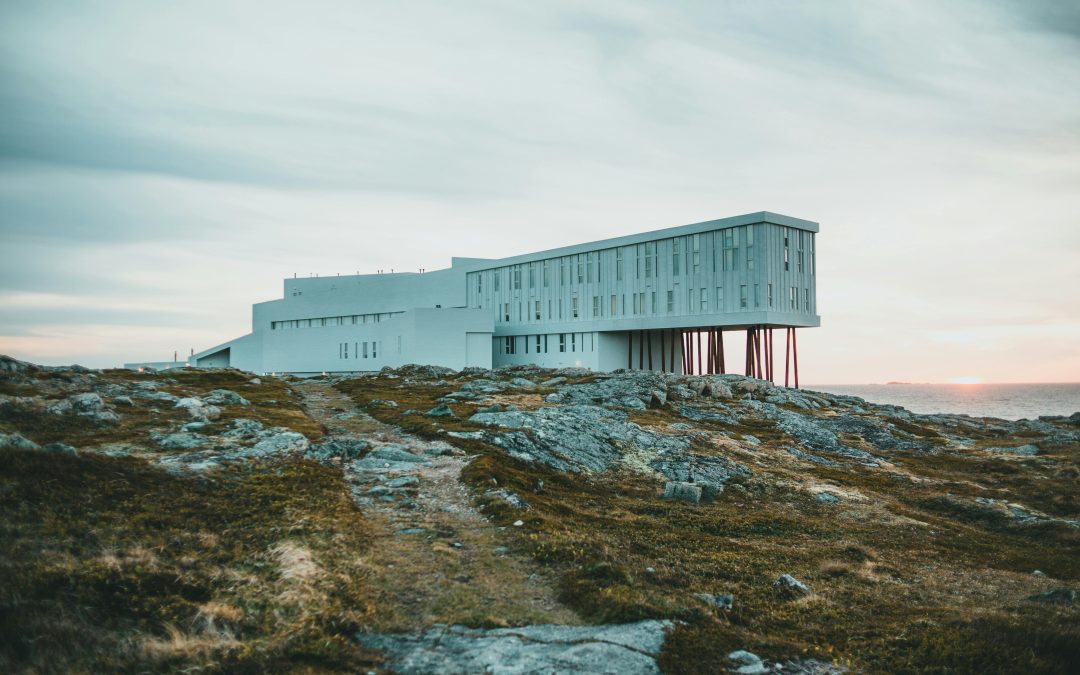
Located in Newfoundland, Canada, the Fogo Island Inn is deeply rooted in the local culture. The inn’s design incorporates traditional building techniques, and local artisans crafted much of the furniture and decor. Guests can participate in activities that showcase the island’s heritage, such as boat building and quilting.

Harnessing the power of local culture in hotel branding is a powerful way to create a unique and memorable guest experience. By integrating local design, cuisine, activities, and staff knowledge, you can differentiate your hotel and build a strong brand identity. Embrace the local culture, and watch your hotel become a beloved destination for travelers seeking authentic experiences.

Why Your Story is Your Brand’s Greatest Asset

Why Your Story is Your Brand’s Greatest Asset

Every brand has a story to tell, but not every brand knows how to tell it well. In a world where consumers crave genuine connections and meaningful experiences, your brand’s story is more important than ever. It’s not just about selling a product or service; it’s about creating a narrative that resonates with your audience on a personal level. This blog post will delve into why your brand’s story is its greatest asset and how you can craft an authentic narrative that sets you apart.

The Power of Authentic Narratives

Emotional Connection

At the heart of every successful brand is an emotional connection with its audience. Authentic narratives resonate on a personal level, creating a bond that goes beyond transactional interactions. When consumers perceive a brand as genuine and relatable, they are more likely to develop loyalty. This loyalty is rooted in the emotional experiences that the brand’s story evokes. For instance, a brand that shares its journey of overcoming challenges and celebrating milestones can inspire and engage its audience in a meaningful way.

Differentiation

In a crowded marketplace, differentiation is key to attracting and retaining customers. Authentic narratives provide a unique identity that sets a brand apart from its competitors. By sharing the story behind the brand, including its values, mission, and vision, businesses can highlight what makes them unique. This differentiation is not just about being different; it’s about being distinctively memorable. A compelling story can make a brand unforgettable in the minds of consumers.

Two "Monkey Bar" coasters on a textured surface, accompanied by glasses of rose wine. The coasters display the bar's logo in different designs, one in orange and the other in green, enhancing the bar's branding for its patrons.

Building Trust Through Authenticity

Transparency and Honesty

Consumers today value transparency and honesty more than ever. They want to know the people behind the brand, the processes involved, and the ethical considerations in place. Authentic narratives that openly discuss these aspects build trust. When a brand is transparent about its successes and failures, it demonstrates integrity. This honesty fosters trust, which is essential for long-term relationships with customers.

Consistency

Consistency in storytelling reinforces authenticity. When a brand consistently communicates its values and mission across all channels, it reinforces its identity. This consistency builds credibility and trust. For instance, a brand that champions sustainability must consistently demonstrate its commitment through its actions and communications. Inconsistent messages can lead to a loss of credibility and trust.

Crafting Your Brand’s Authentic Narrative

Know Your Origin Story

Every brand has an origin story, the genesis of its journey. This story is a powerful tool for connecting with your audience. Reflect on the beginnings of your brand. What inspired its creation? What challenges were faced and overcome? Share these experiences in a way that highlights the human elements behind the brand. Authentic origin stories are relatable and inspiring.

Define Your Mission and Values

Your mission and values are the guiding principles of your brand. Clearly defining and communicating them helps shape your narrative. Consumers are drawn to brands whose values align with their own. Be explicit about what your brand stands for and why it exists. This clarity in purpose adds depth to your narrative and resonates with your audience.

Highlight Real People and Real Stories

Incorporate real stories from real people associated with your brand. This could include employees, customers, or community members. Sharing testimonials, case studies, and behind-the-scenes content humanizes your brand. Real stories add authenticity and provide tangible examples of how your brand impacts lives.

A sophisticated green drink menu for "Monkey Bar" featuring white text. The cover showcases "DRINKS MENU" at the top, with the bar's initials elegantly placed at the bottom corner, highlighting the bar's refined branding.

Sharing Your Brand’s Story

Utilize Multiple Platforms

To effectively share your brand’s story, utilize multiple platforms. Each platform offers unique opportunities to reach different segments of your audience. Social media, blogs, podcasts, and videos are powerful tools for storytelling. Tailor your narrative to suit the platform while maintaining consistency in your core message.

Engage with Your Audience

Engagement is crucial in storytelling. Encourage your audience to share their experiences and feedback. This two-way communication enhances the authenticity of your narrative. User-generated content, such as reviews and social media posts, adds credibility and provides additional perspectives on your brand’s story.

Visual Storytelling

Visual elements play a significant role in storytelling. Use images, videos, and graphics to complement your narrative. Visual storytelling is engaging and can convey emotions and messages more effectively than words alone. Ensure that your visual content aligns with your brand’s identity and message.

Case Studies: Brands with Authentic Narratives

Patagonia

Patagonia is a prime example of a brand with an authentic narrative. The outdoor apparel company’s commitment to environmental sustainability is at the core of its story. Patagonia consistently communicates its mission through various initiatives, including environmental campaigns and transparent supply chain practices. This authenticity resonates with its environmentally-conscious audience, building a loyal customer base.

TOMS

TOMS is another brand that has successfully leveraged its authentic narrative. The company’s “One for One” mission, where a pair of shoes is donated for every pair purchased, is a powerful story of social impact. TOMS shares real stories of how its initiatives have improved lives, creating an emotional connection with consumers who value social responsibility.

________________

Authentic narratives are not just an asset; they are the essence of a brand’s identity. They create emotional connections, build trust, and differentiate brands in a crowded marketplace. By crafting and sharing authentic stories, brands can engage their audience on a deeper level, fostering loyalty and long-term relationships. Remember, your story is not just about your past; it’s about your journey, your values, and your impact. Embrace your narrative, share it with authenticity, and watch your brand thrive.

Unveiling the Secrets Behind Top Airport Lounges: A Branding Guide

Unveiling the Secrets Behind Top Airport Lounges: A Branding Guide

Traveling can be stressful, but top airport lounges transform this experience into something luxurious and relaxing. These lounges offer a sanctuary amid the chaos of busy terminals, providing comfort, convenience, and a touch of luxury. What sets the best airport lounges apart? Let’s dissect their success from a branding perspective and explore how other lounges can emulate their success through strategic branding.

Understanding the Essence of Top Airport Lounges

The most successful airport lounges go beyond offering a comfortable seat and a snack. They create an environment that caters to the needs and desires of travelers, providing a sense of exclusivity and comfort. This involves a combination of exceptional service, high-quality amenities, and a carefully crafted atmosphere that reflects the lounge’s brand identity.

Visual Branding: Creating a Luxurious Atmosphere

1. Color Palette:

Top airport lounges often use a sophisticated color palette to create a calming and luxurious atmosphere. Neutral tones like beige, gray, and soft whites, combined with accents of gold, deep blue, or burgundy, evoke a sense of elegance and relaxation. These colors are used consistently across all branding materials, from the lounge’s interior design to its marketing collateral.

2. Typography:

The choice of fonts can greatly influence the perceived sophistication of a lounge. Clean, modern typefaces convey professionalism and elegance. Sans-serif fonts are popular choices for their readability and contemporary look, often paired with serif fonts for a touch of classic refinement.

3. Imagery:

High-quality images play a crucial role in visual branding. Photos of plush seating, gourmet dining options, and serene spaces can communicate the luxurious experience awaiting travelers. These images should be used across all platforms, including websites, brochures, and social media, to create a consistent and enticing visual identity.

4. Design Elements:

Incorporating design elements that reflect the lounge’s identity is key. This can include custom patterns, unique lighting fixtures, and bespoke furniture. The aim is to create a space that feels exclusive and thoughtfully designed, resonating with the lounge’s brand values.

Sensory Branding: Engaging All Senses

1. Sound:

Ambient soundscapes are essential in creating a serene atmosphere. Top airport lounges often feature soft background music or natural sounds that help travelers unwind. The choice of music should align with the lounge’s brand—classical or jazz music can evoke a sense of sophistication, while contemporary tunes might appeal to a younger, modern audience.

2. Scent:

Scent marketing is a powerful tool for creating memorable experiences. A signature scent, whether it’s a subtle floral aroma or a refreshing citrus fragrance, can enhance the ambiance and create a lasting impression. This scent should be used consistently throughout the lounge to reinforce the brand experience.

3. Touch:

The tactile experience is another crucial element. High-quality materials, such as leather seating, plush carpets, and smooth marble surfaces, contribute to the feeling of luxury. The physical comfort provided by these materials enhances the overall experience and leaves a positive impression on travelers.

4. Taste:

Culinary offerings are a significant part of the airport lounge experience. Gourmet dining options, curated by renowned chefs, elevate the sense of luxury. The presentation of food and beverages should also reflect the lounge’s brand, with elegant plating and premium ingredients that cater to discerning tastes.

Service Excellence: The Human Touch

1. Personalized Service:

Exceptional service is a hallmark of top airport lounges. Staff should be trained to provide personalized attention, remembering frequent travelers’ preferences and anticipating their needs. This level of service fosters a sense of belonging and exclusivity.

2. Attention to Detail:

Every detail matters in creating a memorable experience. This includes everything from the cleanliness of the facilities to the promptness of service. Attention to detail demonstrates a commitment to quality and excellence, reinforcing the lounge’s brand values.

Digital Presence: Extending the Brand Online

1. Website:

The lounge’s website should reflect its luxurious atmosphere and high standards. A clean, intuitive design with high-quality images and detailed information about amenities can attract potential visitors. The website should also offer seamless booking and membership management options.

2. Social Media:

Social media platforms are powerful tools for engaging with travelers and showcasing the lounge’s offerings. Regular posts featuring behind-the-scenes content, guest testimonials, and special events can create buzz and build a loyal following. Engaging with followers through comments and messages further strengthens the brand’s connection with its audience.

3. Email Marketing:

Personalized email campaigns can keep members informed about new amenities, special offers, and loyalty programs. These communications should be visually appealing and align with the lounge’s brand identity, reinforcing the luxurious experience.

Collaborations and Partnerships

1. Brand Partnerships:

Collaborating with high-end brands can enhance the lounge’s reputation and appeal. Partnerships with luxury brands for amenities like skincare products, gourmet snacks, or premium beverages can add an extra layer of exclusivity.

2. Local Art and Culture:

Incorporating local art and cultural elements can create a unique and authentic experience. This not only supports local artists but also gives travelers a sense of place and connection to the destination.

Sustainability: Modern Luxury

1. Eco-friendly Practices:

Sustainability is increasingly important to travelers. Implementing eco-friendly practices, such as using renewable energy, reducing waste, and offering sustainable products, can enhance the lounge’s appeal to environmentally conscious travelers.

2. Green Certifications:

Obtaining green certifications can boost the lounge’s credibility as a responsible and forward-thinking brand. This commitment to sustainability can be highlighted in marketing materials and communications.


Learning from the Best: Emulating Success

1. Benchmarking:

Analyze what makes top airport lounges successful. Look at their design, service quality, amenities, and customer feedback. Identify key elements that align with your brand values and consider how you can incorporate them into your lounge.

2. Continuous Improvement:

The best airport lounges constantly evolve to meet changing traveler needs and expectations. Regularly gather feedback from guests and use it to make improvements. Staying ahead of trends and continuously enhancing the guest experience is key to maintaining a competitive edge.

________________

The success of top airport lounges lies in their ability to create a seamless and luxurious experience that caters to the needs of modern travelers. Through strategic visual and sensory branding, exceptional service, and a commitment to sustainability, these lounges set themselves apart from the competition. By understanding and emulating these elements, other airport lounges can elevate their brand and offer an exceptional experience that travelers will remember and seek out on their journeys.


How to Craft the Ultimate Brand Experience for Beach Resorts

How to Craft the Ultimate Brand Experience for Beach Resorts

Imagine stepping into a beach resort where every detail, from the color of the towels to the scent in the air, evokes the essence of the ocean. The sun, the sand, and the surf are all around you, and the atmosphere makes you feel like you’re truly in paradise.

This is what a well-crafted brand experience can do, turning a simple stay into an unforgettable journey. Let’s dive into how to create this immersive experience through visual and sensory branding specific to beachside locations.

Understanding the Essence of a Beach Resort

Beach resorts are all about relaxation, escape, and the beauty of nature. They promise a getaway from the hustle and bustle of everyday life, offering guests a chance to unwind and soak in the serene ambiance of the coastline. To craft an ultimate brand experience, it’s crucial to capture this essence and convey it through every aspect of your branding. This means going beyond just logos and color schemes; it involves creating a cohesive experience that engages all the senses.

Visual Branding: Setting the Scene

1. Color Palette:

The colors you choose for your brand play a vital role in setting the mood. For beach resorts, think of hues that evoke the sea, sky, and sand. Shades of blue, turquoise, and teal can remind guests of the ocean, while sandy beige and coral can bring to mind the beach. These colors can be used in everything from your logo and website to the interior design of the resort.

2. Typography:

Your choice of fonts can also communicate a lot about your brand. Opt for clean, elegant typefaces that are easy to read and give off a relaxed vibe. Handwritten or script fonts can add a personal touch, reminiscent of writing in the sand.

3. Imagery:

High-quality images are essential. Use photographs that capture the beauty of your location – think sunsets over the ocean, palm trees swaying in the breeze, and guests enjoying themselves by the water. These images should be used consistently across all marketing materials to create a cohesive visual identity.

4. Design Elements:

Incorporate beach-related elements into your design. Icons like shells, waves, and starfish can be subtle yet effective touches that reinforce the beach theme. These can be used in your website design, printed materials, and even in the décor of the resort.

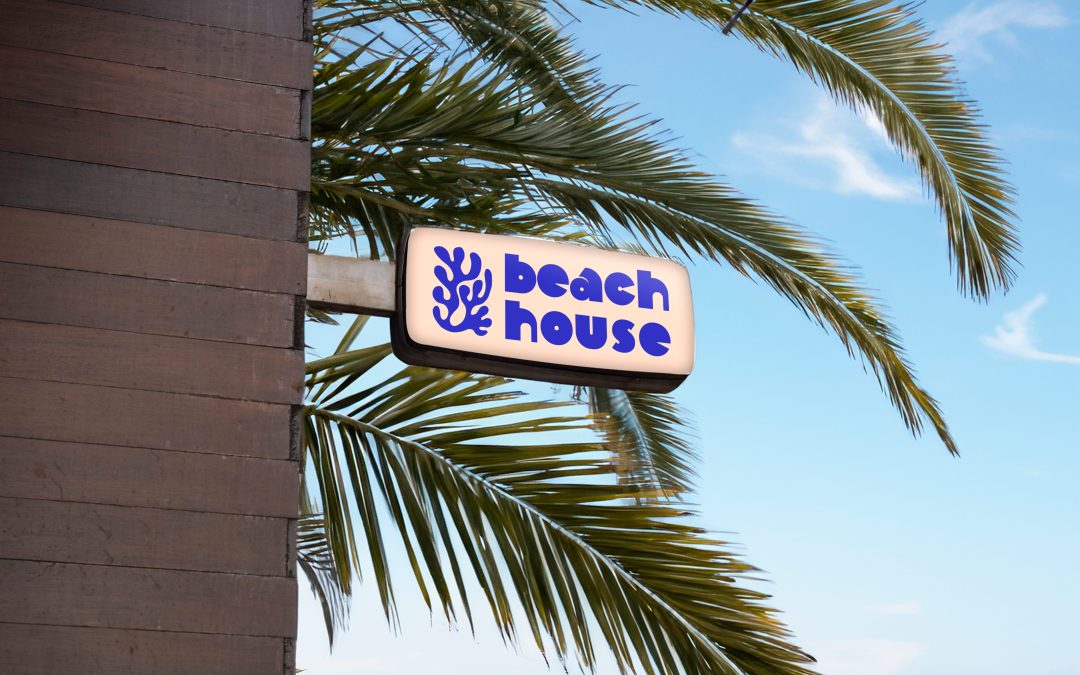
framed square image hanging on the powder pink smooth brick wall, the poster has light creamy background, blue abstract pattern and the logo and name of the hotel underneath, called beach house

Sensory Branding: Engaging All Senses

1. Sound:

Sound plays a powerful role in shaping our experiences. Consider the ambient sounds in your resort. Gentle waves, seagulls, and soft, relaxing music can enhance the feeling of being at the beach. These sounds can be played in common areas like lobbies, spas, and poolsides to create a calming atmosphere.

2. Scent:

Our sense of smell is closely linked to memory and emotion. Scent marketing can be a game-changer for beach resorts. Infuse your spaces with scents that remind guests of the sea, such as saltwater, coconut, and tropical flowers. This can be done through diffusers, scented candles, or even in-room toiletries.

3. Touch:

Textures and materials can significantly impact the guest experience. Use natural, tactile materials like wood, bamboo, and stone in your décor to create a connection with nature. Soft, plush towels and linens can add to the feeling of luxury and comfort.

4. Taste:

Food and drink are integral to the guest experience. Offer a menu that highlights local flavors and fresh ingredients. Think tropical fruits, seafood, and refreshing cocktails. The presentation of the food should also reflect the beach theme, with creative plating and beach-inspired garnishes.

Creating Memorable Experiences

1. Activities and Amenities:

Offer activities that enhance the beach experience. Water sports, yoga on the beach, and sunset cruises can create memorable moments for your guests. Provide amenities that cater to relaxation and enjoyment, such as beach chairs, umbrellas, and snorkeling gear.

2. Personalized Service:

Personal touches can make a big difference. Train your staff to provide exceptional, personalized service. Remembering guests’ names, preferences, and special occasions can turn a good stay into a great one.

3. Storytelling:

Tell the story of your resort and its surroundings. Use your website, social media, and in-room materials to share the history and unique features of your location. This adds depth to the guest experience and creates a stronger emotional connection.

Digital Presence: Extending the Experience Online

1. Website:

Your website is often the first point of contact with potential guests. Ensure it reflects the same visual and sensory branding as your physical resort. Use high-quality images, engaging content, and an easy-to-navigate design to make a great first impression.

2. Social Media:

Social media is a powerful tool for showcasing your brand. Share stunning photos, behind-the-scenes content, and guest testimonials to create a buzz. Engage with your followers by responding to comments and messages promptly.

3. Email Marketing:

Keep your guests engaged even after they’ve left. Send personalized follow-up emails, special offers, and updates about new amenities or events at your resort. This helps build loyalty and encourages repeat visits.

set of instagram image promoting an account of a beach side hotel. they include hotel blue logo and red pattern and the always beach read tagline

Collaboration with Local Artists and Artisans

1. Local Art:

Incorporate local art into your resort’s décor. This not only supports the local community but also adds a unique touch to your branding. Guests will appreciate the authenticity and connection to the local culture.

2. Crafts and Souvenirs:

Offer locally made crafts and souvenirs in your gift shop. These items can serve as tangible reminders of their stay and enhance the overall brand experience.

Sustainability: A Growing Priority

1. Eco-friendly Practices:

Implement eco-friendly practices to show your commitment to sustainability. Use biodegradable products, reduce plastic use, and support local conservation efforts. This resonates with the increasing number of eco-conscious travelers.

2. Green Certifications:

Pursue green certifications for your resort. This not only improves your environmental impact but also enhances your brand’s reputation as a responsible and forward-thinking business.

__________________

Creating the ultimate brand experience for beach resorts is about more than just visual appeal; it’s about engaging all the senses to create an immersive, memorable experience for your guests. By carefully considering every detail, from the colors you use to the scents you choose, you can create a brand that truly captures the essence of a beachside paradise. This holistic approach to branding not only enhances the guest experience but also sets your resort apart in a competitive market.